Sól and Máni, the sun and moon of Norse cosmos, are celestial siblings tasked with guiding the heavens while being relentlessly chased by wolves across the sky. Their tale explains...
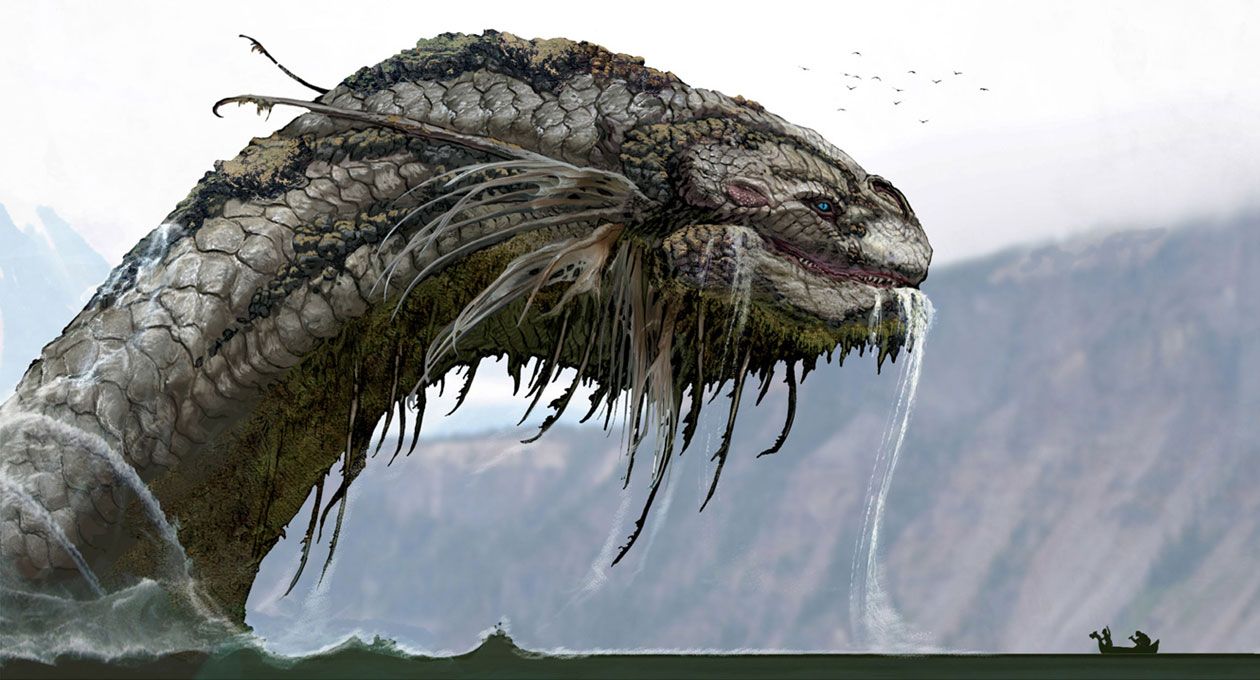
Níðhöggr and Niflheim are central elements of Norse mythology, representing decay, death, and the hidden forces beneath the cosmic order. Niflheim, the primordial realm of ice and mist, is one...
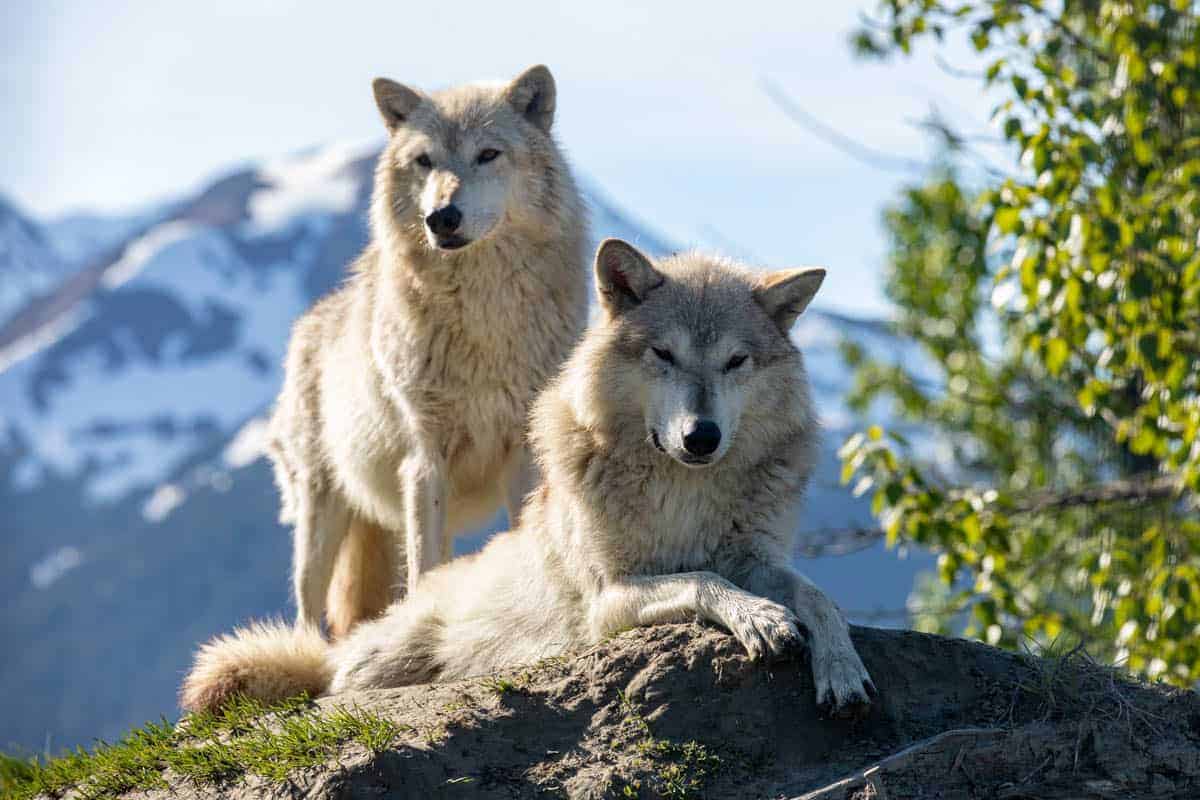
Wolves are a vital part of the Norse and Viking mythology and culture. Symbolizing the untamed forces of nature and embodying qualities such as bravery, loyalty, and protection. This duality reflects the Norse people's intricate relationship...
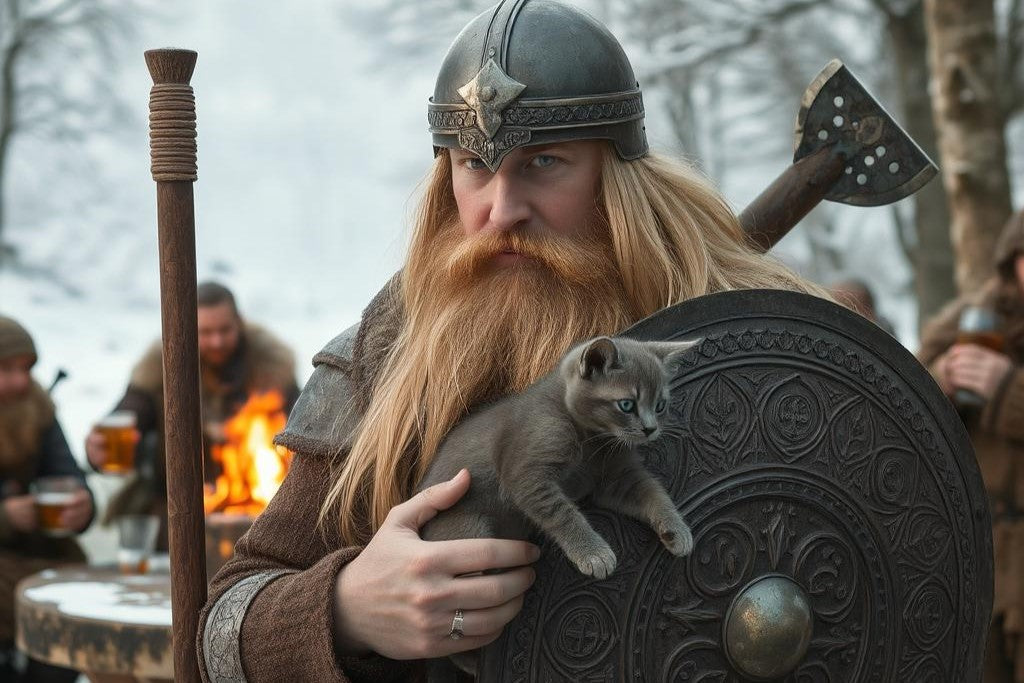
In Norse culture Cats may not be as prominent as other mythological creatures, such as wolves or dragons, but their significance is deeply rooted in the myths and daily lives...
For the Norse Peoples and Vikings, ravens hold a significant place symbolizing wisdom, memory, and prophetic insight. Most famously associated with Allfather Odin, they bridge the realms between Gods, humans,...
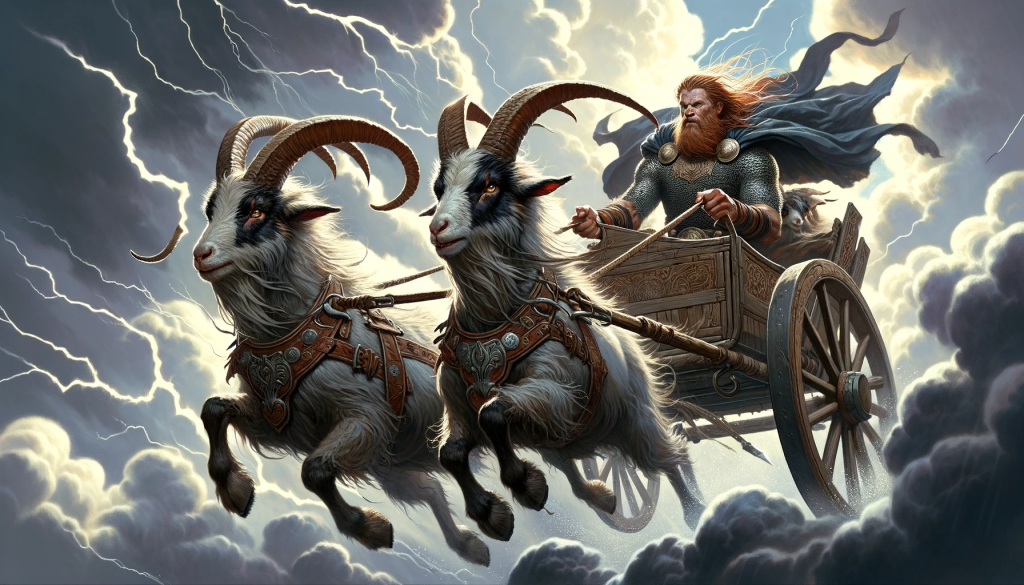
The God of Thunder leads many adventures throughout the nine realms and, whenever possible, the Prince of Asgard rides to glory in style: in his trusty chariot, pulled by his two...
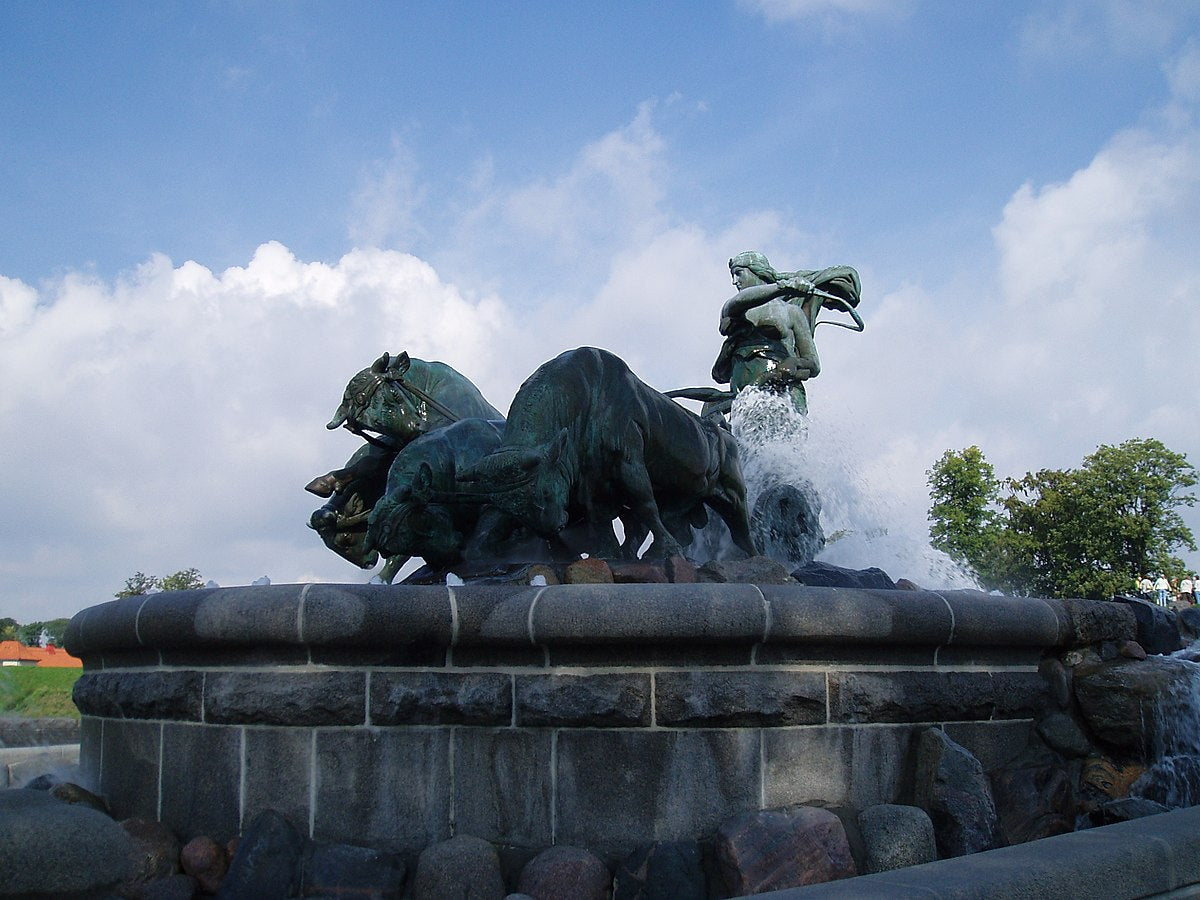
According to the Prose Edda, the Island of Sjælland (Zealand) in Denmark was created in a single day by the Goddess Gefion, who ploughed the island from Sweden with the help...
Bygul and Trjegul are the mythical cats that accompany the Goddess Freya. These cats large male gray or blue cats are known for their loyalty and their ability to pull...
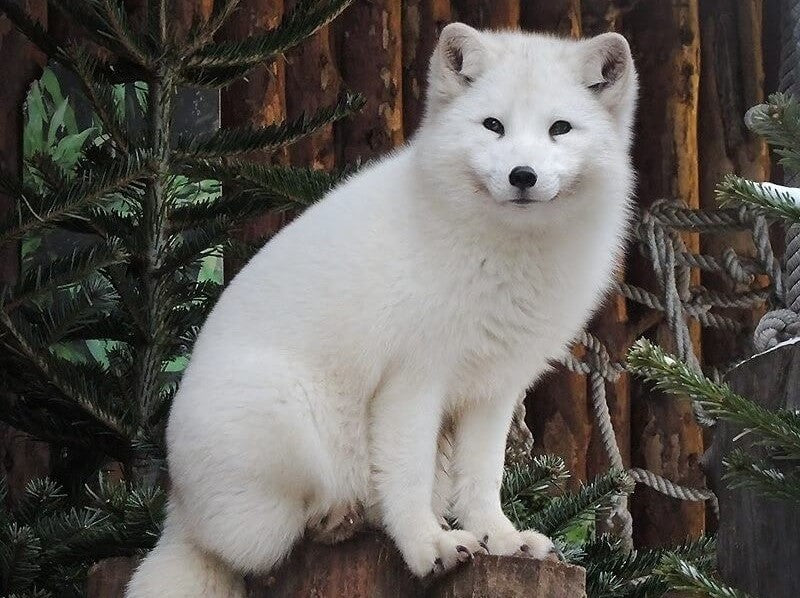
The Fylgja is a Norse guardian “spirit” that accompanies the living since their birth. A concept as old as time that exists in almost every culture around the globe. A...
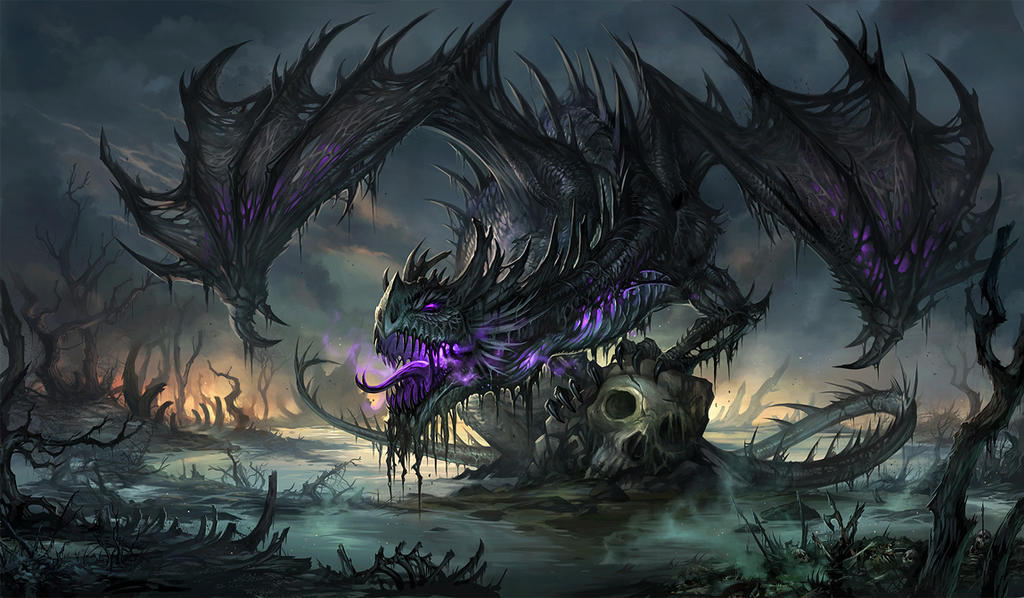
Nidhogg is one of the most infamous of dragons in the Norse cosmos, and even its name is almost a curse. Forever chewing upon Yggdrasil roots, the evil dragon seeks...