Sól and Máni, the sun and moon of Norse cosmos, are celestial siblings tasked with guiding the heavens while being relentlessly chased by wolves across the sky. Their tale explains...
Níðhöggr and Niflheim are central elements of Norse mythology, representing decay, death, and the hidden forces beneath the cosmic order. Niflheim, the primordial realm of ice and mist, is one...
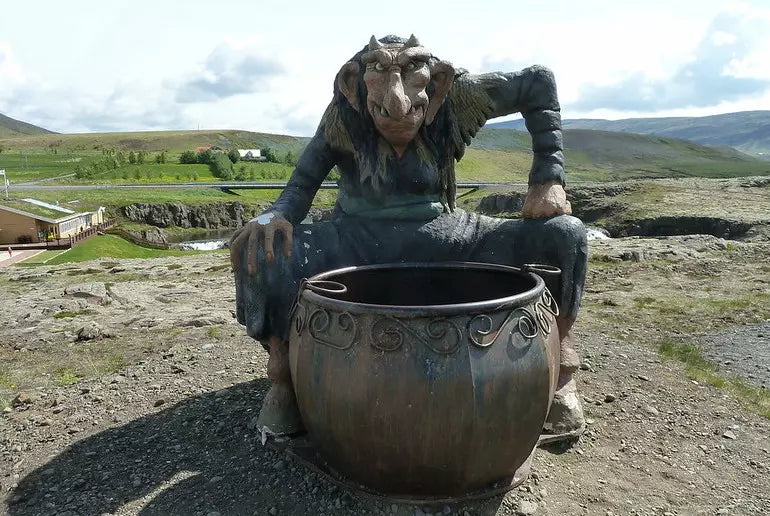
In the dark, snow-covered mountains of Iceland lives Grýla, a fearsome ogress from centuries-old folklore. Known for her appetite for misbehaving children, Grýla descends from her cave each Christmas to...
The Beowulf saga stands as a testament to the enduring power of storytelling. Its themes of courage, loyalty, and the human struggle against formidable odds remain universally relevant. As both...
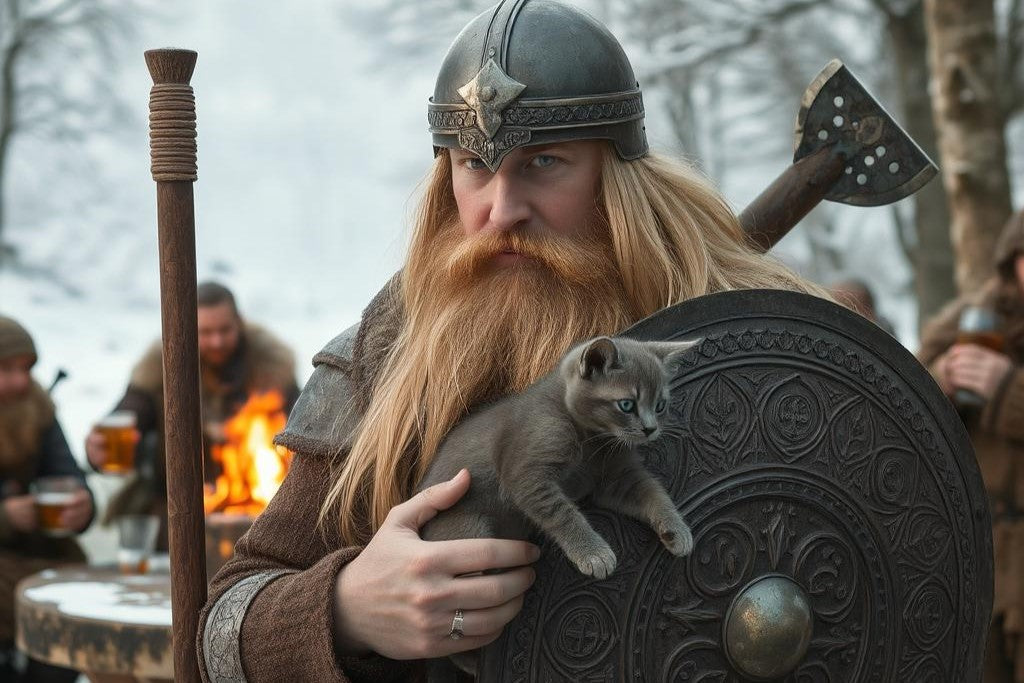
In Norse culture Cats may not be as prominent as other mythological creatures, such as wolves or dragons, but their significance is deeply rooted in the myths and daily lives...
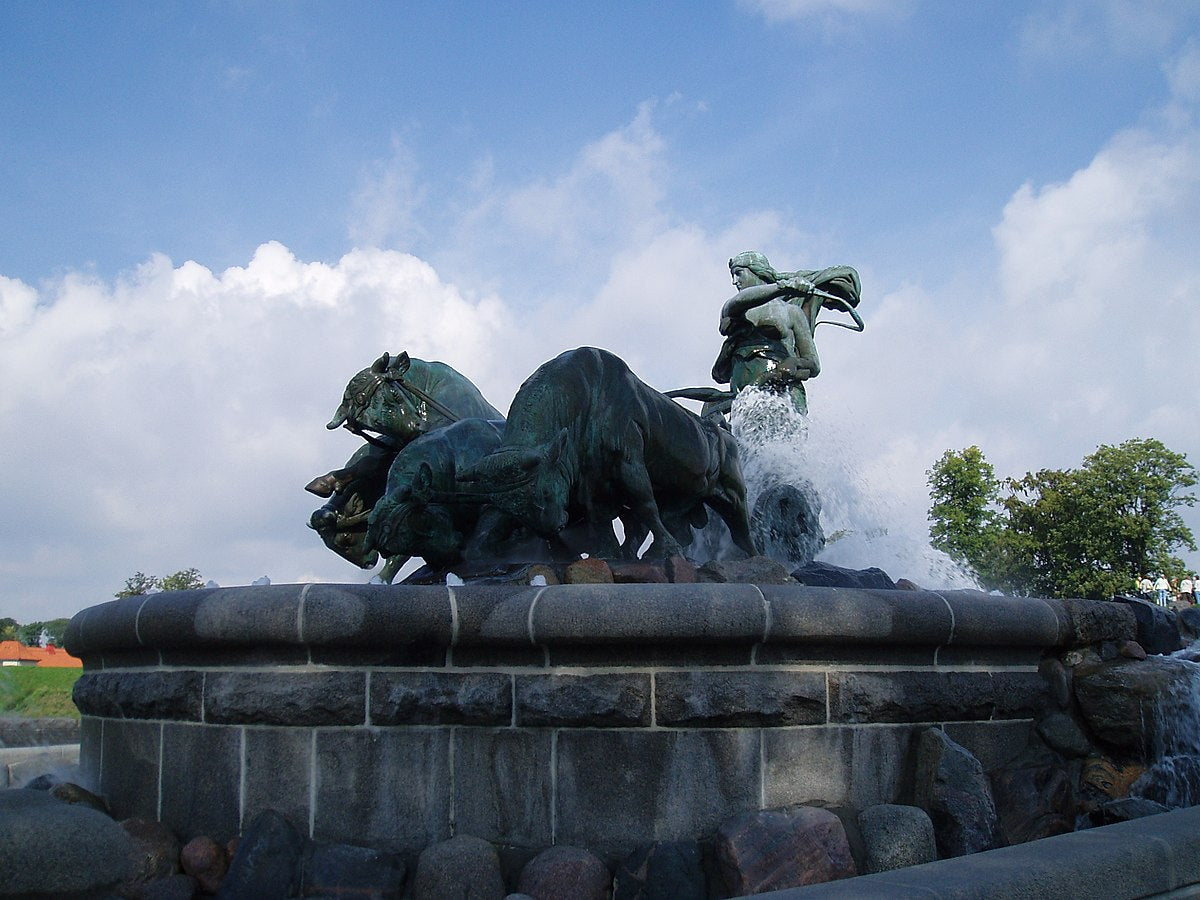
According to the Prose Edda, the Island of Sjælland (Zealand) in Denmark was created in a single day by the Goddess Gefion, who ploughed the island from Sweden with the help...
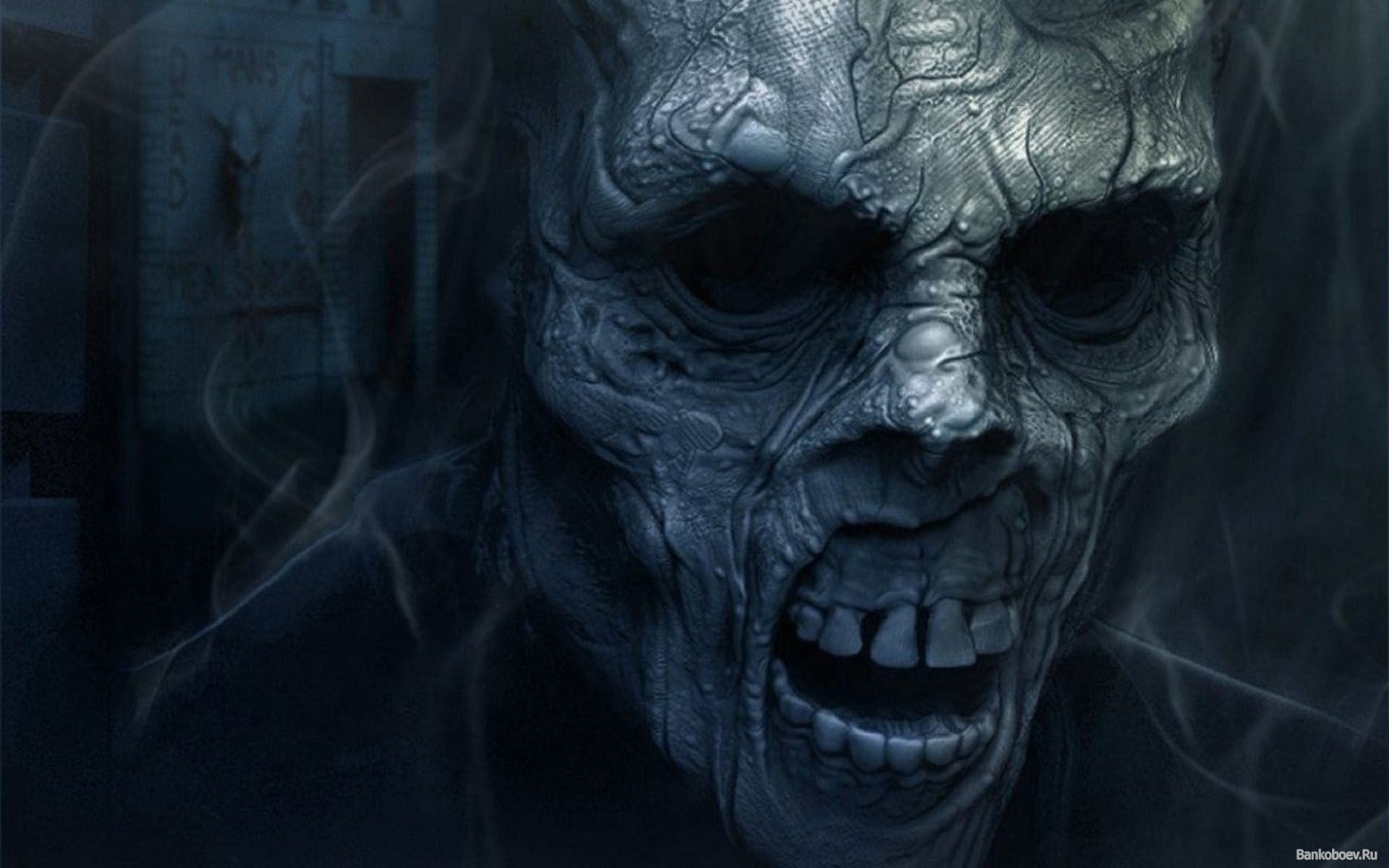
The terrible living dead raise from their tombs to once again bring terror and mischief amongst the... Vikings?! Much more than a zombie or a ghost: a Norse mix of...
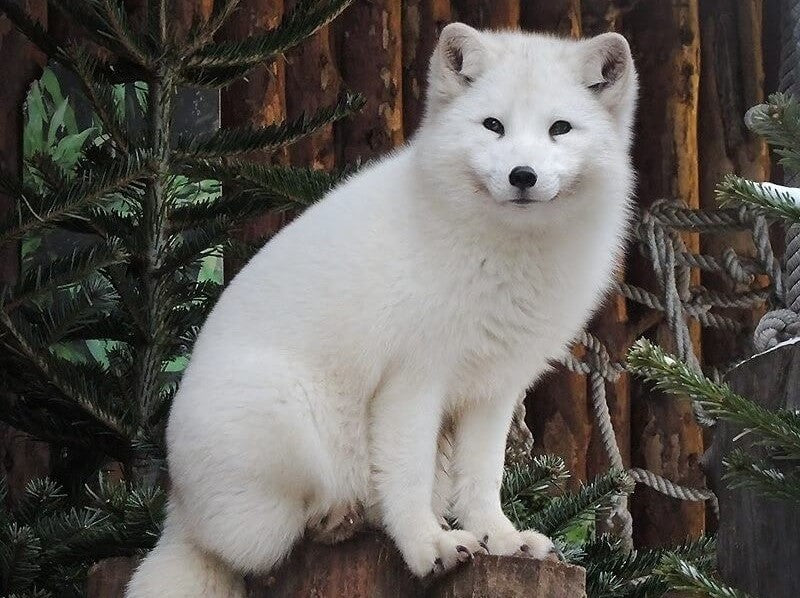
Bygul and Trjegul are the mythical cats that accompany the Goddess Freya. These cats large male gray or blue cats are known for their loyalty and their ability to pull...
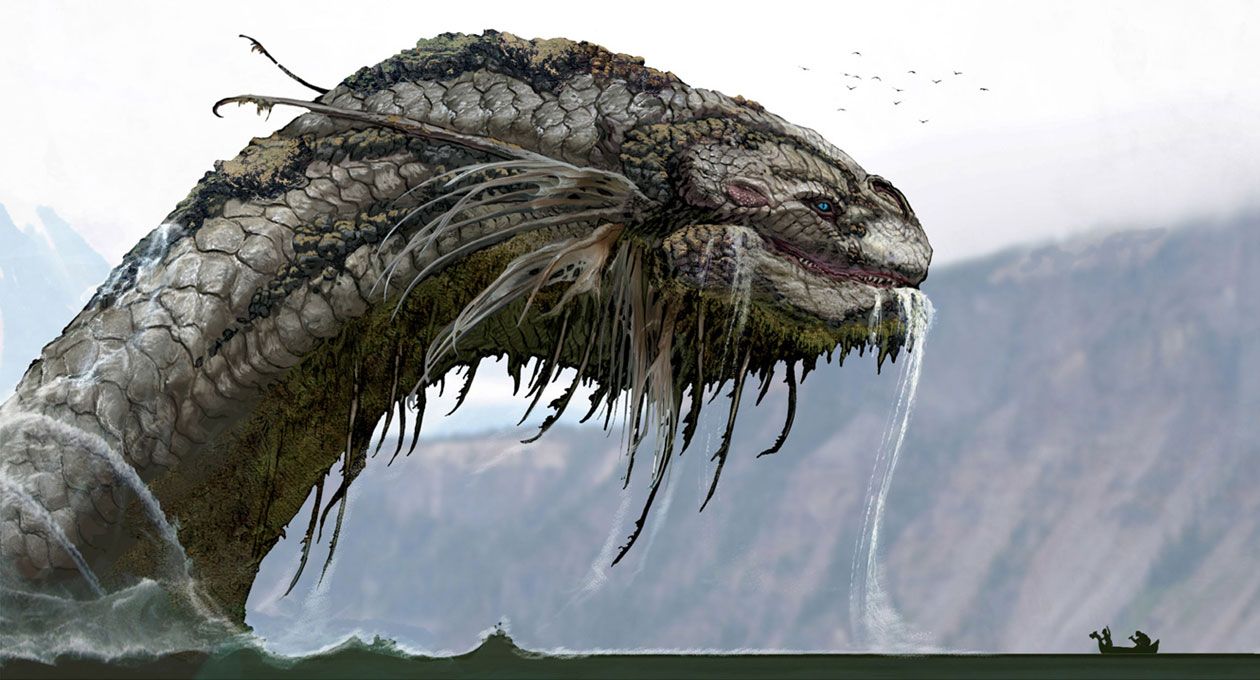
Popularized in modern times, dragons were always part of the Norse culture and religion. Jörmungandr, Nidhögr, Fafnir and others, these are the original dragons of myth and legend.
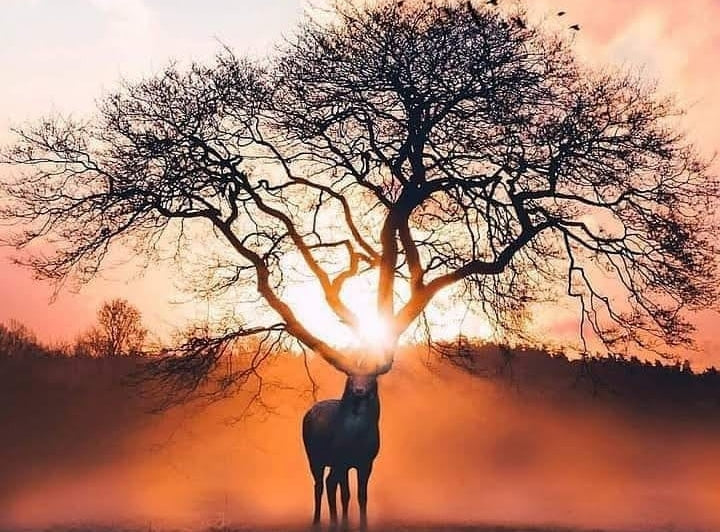
The Fylgja is a Norse guardian “spirit” that accompanies the living since their birth. A concept as old as time that exists in almost every culture around the globe. A...