
Popular culture often portrays Vikings as fearless warriors constantly raising overflowing drinking horns of mead before charging into battle. While alcohol certainly played an important role in Viking Age society, the historical reality is far more interesting than the stereotype. Between roughly AD 793 and 1066, the Norse consumed a variety of alcoholic beverages that served practical, social, political, and religious purposes. Beer was the everyday drink for many Scandinavians, while mead was a luxury reserved for special occasions. Wine, meanwhile, was an imported status symbol enjoyed primarily by the wealthy.

Beer: The Everyday Drink
Despite modern associations between Vikings and mead, beer was by far the most common alcoholic beverage throughout the Viking Age. Brewing was a routine household activity, with nearly every farming family producing its own supply.
Beer was typically brewed from malted barley, although oats and rye could also be used depending on local harvests. The resulting drink was generally lower in alcohol than many modern beers and was consumed daily by men, women, and even children in diluted or lightly fermented forms. Because fresh water could sometimes become contaminated, especially in growing trading towns, lightly fermented beverages often provided a safer alternative.
Brewing was considered an essential household skill. Large farms maintained dedicated brewing equipment, and producing enough beer for seasonal feasts was regarded as an important measure of a family's prosperity.

Mead: The Drink of Celebration
Mead occupies a legendary place in Norse mythology, yet archaeological and historical evidence suggests it was not an everyday beverage for most Vikings.
Made by fermenting honey with water, mead required large quantities of honey, making it considerably more expensive than grain-based beer. Since beekeeping was relatively limited in Scandinavia, honey was a valuable commodity used both as a sweetener and for brewing.
As a result, mead became associated with:
- Weddings
- Religious festivals
- Seasonal celebrations
- Victory feasts
- Gatherings hosted by wealthy chieftains
The prestige attached to mead explains why it appears so frequently in Old Norse literature. Kings, Gods, and legendary heroes are often described drinking mead during great banquets, reinforcing its reputation as the drink of honor and celebration rather than an everyday refreshment.

Ale and Regional Brewing Traditions
Modern readers often use the terms beer and ale interchangeably, but medieval Scandinavia recognized several different fermented beverages.
Regional recipes varied considerably depending on available ingredients. Besides barley, brewers might include herbs, juniper branches, berries, apples, or other local fruits to flavor their drinks. Brewing methods were passed down through generations rather than written in formal recipes, meaning each farm likely produced beverages with distinctive flavors.
Without modern yeast cultivation or precise temperature control, every batch differed slightly, making Viking brewing both an art and a practical household necessity.

Imported Wine: A Luxury of the Elite
Although Scandinavia's climate made grape cultivation difficult, wine was not unknown during the Viking Age.
Trade routes connected the Norse world with Francia, England, the Byzantine Empire, and beyond. Archaeological discoveries of imported wine vessels demonstrate that wine reached Scandinavia through long-distance commerce.
Wine was expensive and therefore became a symbol of wealth and political influence. Powerful rulers could display their status by serving imported wine during feasts, distinguishing themselves from ordinary farmers who relied primarily on locally brewed beverages.
Even the Norse sagas reflect this prestige. In later literary sources, Odin is sometimes described as living on wine alone while giving his food to his wolves, emphasizing wine's association with divine or royal privilege rather than everyday life.

Drinking Halls: The Heart of Viking Society
Alcohol was rarely consumed in isolation. Instead, it formed the centerpiece of communal life inside the great halls of Viking settlements.
These impressive timber buildings served many purposes:
- Hosting seasonal feasts
- Welcoming travelers
- Negotiating political alliances
- Settling legal disputes
- Celebrating military victories
- Honoring the Gods
A successful feast demonstrated a leader's generosity and reinforced social bonds. Providing abundant food and drink enhanced a chieftain's reputation and encouraged loyalty among followers.
Generosity with alcohol was therefore an important political tool as much as a sign of hospitality.

Rituals, Religion, and Sacred Drinking
Alcohol also played a central role in Norse religious practice.
During major festivals such as Yule, participants shared ceremonial drinks while making offerings to the Gods and ancestors. Toasts honored Odin, Thor, Freyr, and departed family members, strengthening both spiritual and community ties.
These ritual drinks were not merely celebratory; they represented acts of devotion intended to secure prosperity, fertility, good harvests, and victory in battle.
Communal drinking reinforced the belief that humans, ancestors, and Gods were connected through shared customs and sacred hospitality.

Drinking Horns and Viking Cups
No discussion of Viking alcohol would be complete without mentioning drinking vessels.
Archaeological discoveries reveal a wide variety of containers, including:
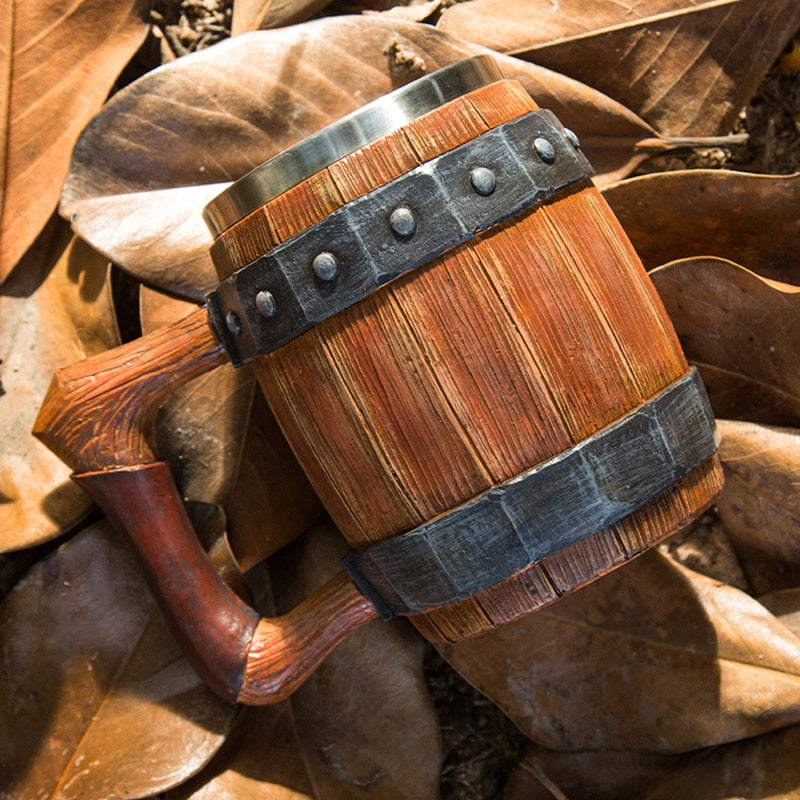
- Wooden cups
- Ceramic mugs
- Glass beakers
- Bronze or silver vessels
-
Animal drinking horns
Contrary to popular imagination, horns were not the only vessels Vikings used. Wealthier individuals often owned beautifully decorated imported glassware or finely crafted metal cups.
Drinking horns nevertheless became enduring symbols of Norse culture because of their ceremonial importance during feasts and religious gatherings.

Did Vikings Drink from Human Skulls?
One of the oldest Viking myths claims that Norse warriors drank beer from the skulls of defeated enemies.
There is no credible archaeological evidence supporting this claim.
The misconception originated from a seventeenth-century mistranslation of an Old Norse poem. A poetic reference to drinking from curved horns was mistakenly translated as drinking from skulls, and the error spread widely through later literature.
Modern historians overwhelmingly reject this story, and excavations across Scandinavia have produced no evidence that such a practice was common among Vikings. Also, there are a lot of holes in a skull...
What Did Vikings Think About Drunkenness?
Although feasting was an important aspect of Norse society, excessive drinking was frowned upon.
The Hávamál, a collection of wisdom sayings traditionally attributed to Odin, repeatedly warns against intoxication. The text explains that excessive drinking clouds judgment, weakens memory, and causes people to speak foolishly.
These verses demonstrate that self-control was considered an important virtue even within a culture that celebrated communal feasting. A respected individual was expected to enjoy alcohol responsibly while maintaining honor, dignity, and clear judgment.

The Meaning of "Skål"
Perhaps the best-known Viking drinking tradition is the toast "Skål."
Today the word simply means "cheers" throughout Scandinavia, but its roots stretch back to medieval communal drinking customs.
Before drinking together, participants would raise their vessels in acknowledgment of those present. The shared toast symbolized friendship, trust, and mutual respect. Whether made with beer, mead, or wine, the ritual emphasized community.

Alcohol as a Reflection of Viking Life
Viking drinking culture mirrored the broader values of Norse society. Brewing required agricultural knowledge, hospitality demonstrated generosity, imported wine reflected successful trade, and ceremonial toasts strengthened political and religious relationships.
Rather than being perpetual drunkards, the Vikings viewed alcohol as something integrated into everyday life, seasonal celebrations, diplomacy, and sacred ritual. Beer sustained households, mead elevated important occasions, and wine showcased wealth and international connections.
By separating historical evidence from later myths, we gain a richer understanding of the Viking world. Their drinking traditions reveal a society that valued craftsmanship, hospitality, moderation, and community just as much as warfare and exploration. The image of the Viking raising a drinking horn remains iconic, but behind that simple gesture lies a complex culture where every toast carried social, political, and sometimes spiritual significance.

Bibliography
Else Roesdahl. The Vikings. Penguin Books, 1998. ISBN: 9780140252828.
Neil Price. Children of Ash and Elm: A History of the Vikings. Basic Books, 2020. ISBN: 9780465096985.
Anders Winroth. The Age of the Vikings. Princeton University Press, 2016. ISBN: 9780691169293.