
While the Viking Age officially ended more than a thousand years ago, its legacy remains remarkably vibrant through the growing hobby of Viking reenactment. Across Europe and North America, thousands of enthusiasts dedicate countless hours to recreating the clothing, crafts, warfare, music, and everyday life of the Norse people.
Modern Viking reenactment is a blend of experimental archaeology, historical research, craftsmanship, education, and living history that seeks to understand the Viking Age by experiencing it firsthand.

What Is Viking Reenactment?
Historical reenactment is the recreation of life during a particular historical period. Viking reenactors focus primarily on the years between approximately AD 793 and 1066, the period traditionally known as the Viking Age. Participants portray individuals from all walks of Viking society, including:
- Warriors
- Blacksmiths
- Merchants
- Farmers
- Shipbuilders
- Weavers
- Leatherworkers
- Woodcarvers
- Storytellers
Rather than simply recreating famous battles, most reenactment groups aim to present a complete picture of Viking society. Visitors to a Viking encampment can watch iron being forged, bread baked in clay ovens, wool spun into thread, and textiles woven on upright looms while children play traditional games.
Reenactment highlights the complexity of Norse society, emphasizing commerce, craftsmanship, exploration, law, religion, and family life.

A Passion for Historical Accuracy
One of the defining characteristics of modern Viking reenactment is its commitment to authenticity.
Most established groups spend years researching archaeological discoveries, medieval manuscripts, and museum collections before creating clothing or equipment. Every item—from shoes to belt buckles—is often based upon excavated finds from locations such as Birka in Sweden, Hedeby in Germany, Dublin in Ireland, York in England, or Oseberg in Norway.
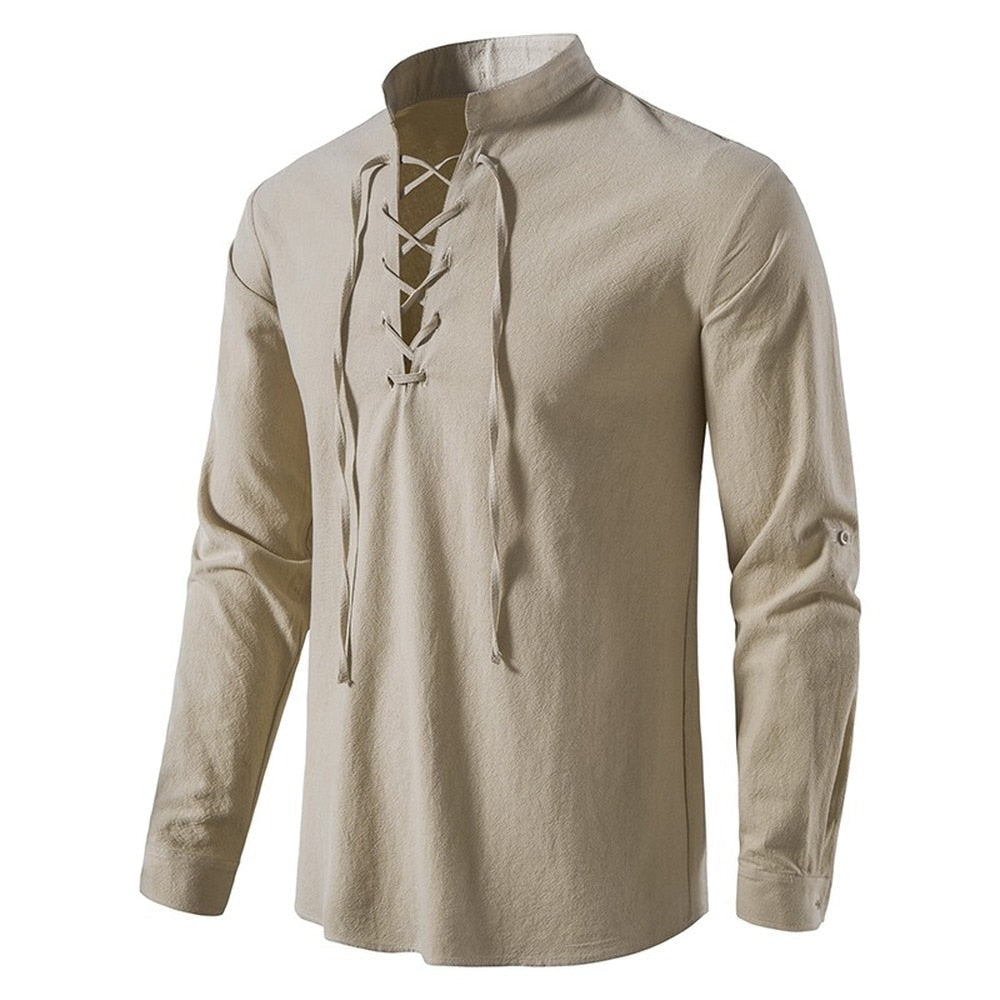
Authentic Viking clothing is usually handmade using natural materials such as:
- Wool
- Linen
- Leather
- Silk (for wealthy individuals)
- Bronze
- Iron
- Silver
Synthetic fabrics, visible modern stitching, plastic accessories, and fantasy-inspired costumes are generally discouraged by serious reenactment organizations.
Weapons are also carefully reproduced. Swords, spears, axes, shields, and helmets are manufactured according to archaeological evidence while incorporating modern safety standards for combat demonstrations.

Living History Rather Than Fantasy
One of the biggest misconceptions surrounding Viking festivals is that they resemble fantasy conventions.
Although some popular events welcome visitors dressed as characters inspired by television or video games, historical reenactment organizations usually distinguish themselves from fantasy portrayals.
A Viking encampment typically recreates an authentic settlement complete with:
- Canvas or wool tents
- Period cooking equipment
- Handcrafted furniture
- Historical games
- Textile workshops
- Metalworking demonstrations
- Traditional music
- Storytelling based on Icelandic sagas
Many reenactors remain "in character" throughout the day, answering visitors' questions as if they were living during the tenth century.
This immersive experience provides a far deeper appreciation of Viking daily life than simply viewing museum artifacts behind glass.

Recreating Viking Combat
Combat demonstrations remain among the most popular attractions at Viking festivals.
Reenactors train extensively in safe fighting techniques using blunted steel weapons. Battles are choreographed to balance excitement with historical realism.
Many groups also incorporate findings from experimental archaeology to test how shields, mail armor, helmets, and weapons actually performed under realistic conditions.
These experiments have significantly expanded historians' understanding of Viking warfare, helping distinguish historical fact from modern myth.

Experimental Archaeology
Perhaps the greatest contribution of reenactment lies in experimental archaeology.
Rather than simply reading historical sources, reenactors attempt to recreate ancient techniques using historically appropriate tools and materials. Projects often include:
- Building Viking longships
- Smelting iron using bloomery furnaces
- Weaving textiles on reconstructed looms
- Forging pattern-welded blades
- Producing natural dyes
- Cooking authentic Viking recipes
- Sailing reconstructed vessels
These practical experiments frequently answer questions that written records cannot. For example, reconstructed Viking ships have successfully crossed the North Atlantic, demonstrating the remarkable seaworthiness of Norse shipbuilding techniques.

Education and Public Outreach
Museums increasingly collaborate with reenactment groups because they offer engaging educational experiences.
Visitors can handle replicas, watch craftspeople at work, taste traditional foods, and ask questions directly to knowledgeable interpreters.
Schools frequently organize educational visits during festivals, allowing students to experience history in a tangible way.
Many reenactors also deliver lectures, workshops, and demonstrations throughout the year, helping preserve traditional crafts that might otherwise disappear.

The International Viking Community
The Viking reenactment community has become truly international.
Groups exist throughout Europe and North America alike, with international festivals bringing together participants from dozens of countries, creating opportunities to exchange research, compare equipment, and improve historical standards.
Many reenactors spend months and even years perfecting their impressions, investing hundreds of hours into handcrafted clothing and equipment.
The result is an impressive level of authenticity that continues to improve as new archaeological discoveries emerge.

The Three Largest Annual Viking Reenactment Festivals
Several major events attract thousands of participants and visitors every year, making them highlights of the international reenactment calendar.
1. Jorvik Viking Festival (York, England)
Widely regarded as one of Europe's largest Viking festivals, the Jorvik Viking Festival transforms the historic city of York each February. Inspired by the city's Norse heritage, the event features large-scale battle reenactments, living history camps, lectures, workshops, historical walks, and a spectacular evening parade. Thousands of reenactors and tens of thousands of visitors attend annually, making it one of the world's premier Viking heritage events.
2. Wolin Viking and Slavs Festival (Wolin, Poland)
Held every summer on Wolin Island, this festival is among the largest historical reenactment events in Europe. More than 2,000 reenactors from numerous countries recreate Viking and Slavic life through massive battles, longship displays, traditional crafts, markets, and historical demonstrations. Its scale and international participation make it a cornerstone of the reenactment community.
3. Moesgård Viking Moot (Aarhus, Denmark)
Hosted near the Moesgård Museum, Denmark's largest Viking reenactment event has been held annually since 1977. The week-long gathering features extensive encampments, traditional markets, craft demonstrations, and mock battles involving hundreds of participants. The festival is renowned for its high standards of historical authenticity and close connection with archaeological research.

Keeping Viking Heritage Alive
Modern Viking reenactment has evolved into far more than an entertaining hobby. It represents a unique collaboration between historians, archaeologists, craftspeople, museums, and passionate volunteers committed to preserving the cultural heritage of the Viking Age.
As archaeological discoveries continue to reshape our understanding of Norse society, reenactors adapt their equipment, clothing, and interpretations accordingly. This commitment to continuous learning ensures that Viking reenactment remains both historically informed and educational.
For visitors, attending a Viking festival offers an unforgettable opportunity to step into the world of medieval Scandinavia. The smell of wood smoke, the clang of blacksmiths' hammers, the sound of battle cries, and the sight of brightly painted shields provide an immersive glimpse into a civilization that continues to fascinate people around the world.
More than a thousand years after the last Viking longships sailed across Europe, their legacy lives on—not only in museums and books, but also in the dedicated communities that work tirelessly to bring the Viking Age back to life.

Bibliography
Price, Neil. Children of Ash and Elm: A History of the Vikings. Basic Books, 2020. ISBN: 9780465096985
Roesdahl, Else. The Vikings. Penguin Books, Revised Edition, 1998. ISBN: 9780140252828
Haywood, John. The Penguin Historical Atlas of the Vikings. Penguin Books, 1995. ISBN: 9780140513288