
A Viking wedding was far more than a romantic celebration between two individuals. In Norse society, marriage could unite families, strengthen alliances, transfer property and create obligations between powerful households. Although popular culture often imagines Viking weddings as dramatic pagan ceremonies involving warriors, horns of mead and elaborate rituals, the historical reality was more complicated.
Our evidence comes from several sources: Icelandic sagas, medieval law codes, archaeological discoveries, poetry and later descriptions of Scandinavian customs. Because many written sources were recorded after the conversion to Christianity, it is important to distinguish what is documented from what is modern reconstruction.

Marriage Was a Family Affair
Marriage in Viking-Age Scandinavia was generally connected to family and social relationships. A prospective marriage could involve negotiations between the families of the bride and groom rather than being solely a private decision made by the couple.
Social status was important. Wealth, ancestry, property and political connections could all influence whether a marriage was considered suitable. The Icelandic sagas repeatedly demonstrate how marriages could create or strengthen alliances between families.
Jesse L. Byock's study of Viking-Age Iceland emphasizes the importance of marriage within the wider social and legal structure of Icelandic society. Marriage was connected to household organization, inheritance, property and relationships between families.
This did not mean that personal feelings were irrelevant. The sagas contain numerous examples of love, jealousy, attraction and unhappy marriages, suggesting that individual emotions could collide dramatically with family expectations.

Betrothal and the Marriage Contract
Before the wedding came the betrothal. In Icelandic society, negotiations could establish important financial arrangements between the families.
The bride's family could provide a dowry, while the groom was expected to provide a bride-price or marriage payment, commonly discussed under the Old Norse concept of mundr. These arrangements gave the marriage a formal economic dimension.
The Laxdæla saga provides an especially interesting example. When Guðrún Ósvífrsdóttir was married to Þorvaldr, her father Osvif negotiated the marriage arrangement. Guðrún was given significant financial rights, including a share of the couple's wealth. The agreement also specified that Þorvaldr should purchase fine jewelry for her.
The story is particularly revealing because Guðrún was unhappy with the match. The saga therefore illustrates something important: a formal marriage agreement did not necessarily mean that the bride had no interests or economic rights of her own.

The Wedding Feast
Food, drink and hospitality were central to Norse celebrations, and weddings could involve substantial feasts.
A wedding was an opportunity for families and their allies to demonstrate wealth and generosity. Hosting numerous guests required considerable resources, particularly in a society where food production was seasonal and transportation was difficult.
The Laxdæla saga gives us a vivid example in Guðrún's later marriage to Þorkell Eyjólfsson. The wedding was carefully organized, and Guðrún herself insisted that the feast should be held at her home at Helgafell. The saga describes large numbers of invited guests and an impressive gathering of followers.
Such descriptions show that a wedding could also function as a public demonstration of status.

Mead, Ale and the Wedding Ceremony
Alcohol played an important role in Scandinavian feasting culture. Ale was particularly important, while mead also appears prominently in Norse literature and mythology.
The expression "bridal ale" (brúðkaupsöl) became associated with the wedding celebration. In a society where spoken agreements, oaths and public recognition carried enormous importance, sharing drink during a feast could symbolize the creation of a new social relationship.
However, there is no evidence that every Viking wedding followed a single standardized "pagan wedding ceremony." Practices varied according to location, period and social circumstances.
Modern Viking weddings sometimes include drinking ceremonies, ritual toasts or the passing of a horn around the gathering. These can be inspired by Norse traditions, but they should not automatically be presented as historically documented Viking wedding rituals.

Gods and Pagan Wedding Traditions
Before Christianization, marriage existed within a religious world populated by Gods, spirits and supernatural forces.
Freyja is frequently associated in modern interpretations with love, sexuality and fertility, while Freyr was strongly connected with fertility, prosperity and peace. This makes them attractive figures for modern Norse-inspired wedding ceremonies.
However, evidence for a specific historical "Freyja wedding ritual" is limited. The surviving sources do not provide a detailed pagan wedding ceremony equivalent to a modern marriage service.
This distinction is important. Norse religion certainly connected fertility, prosperity and marriage with the divine world, but historians cannot reconstruct a complete standardized pagan wedding ceremony from the surviving evidence.

The Bride, Her Clothing and Jewelry
The bride's appearance could carry considerable social significance.
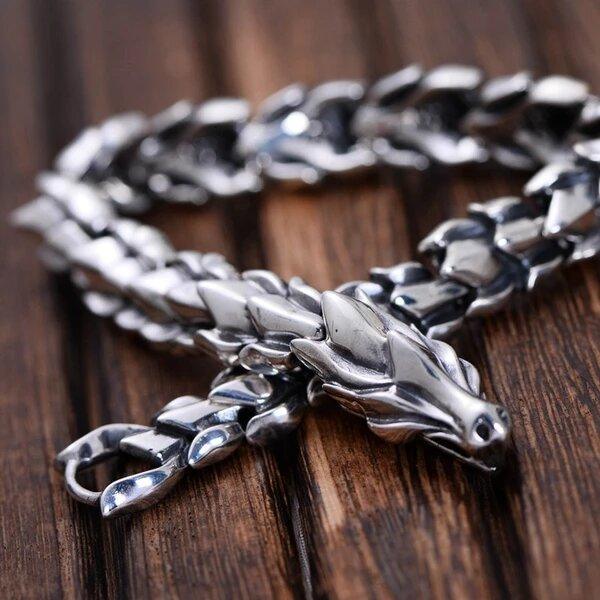
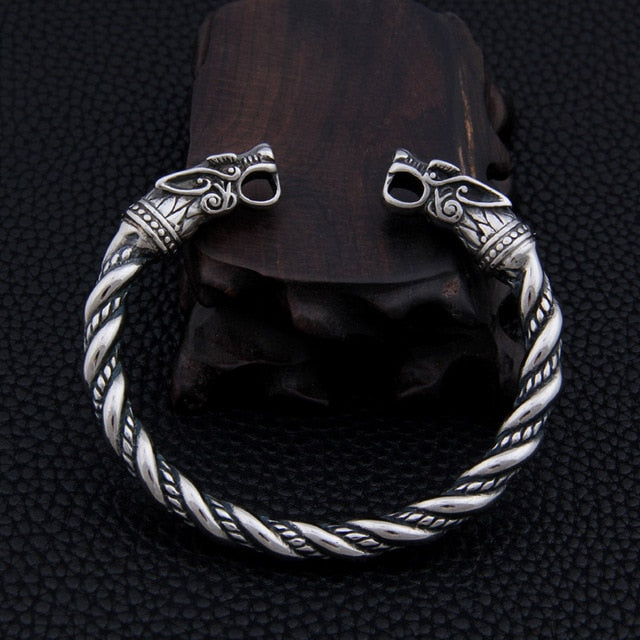
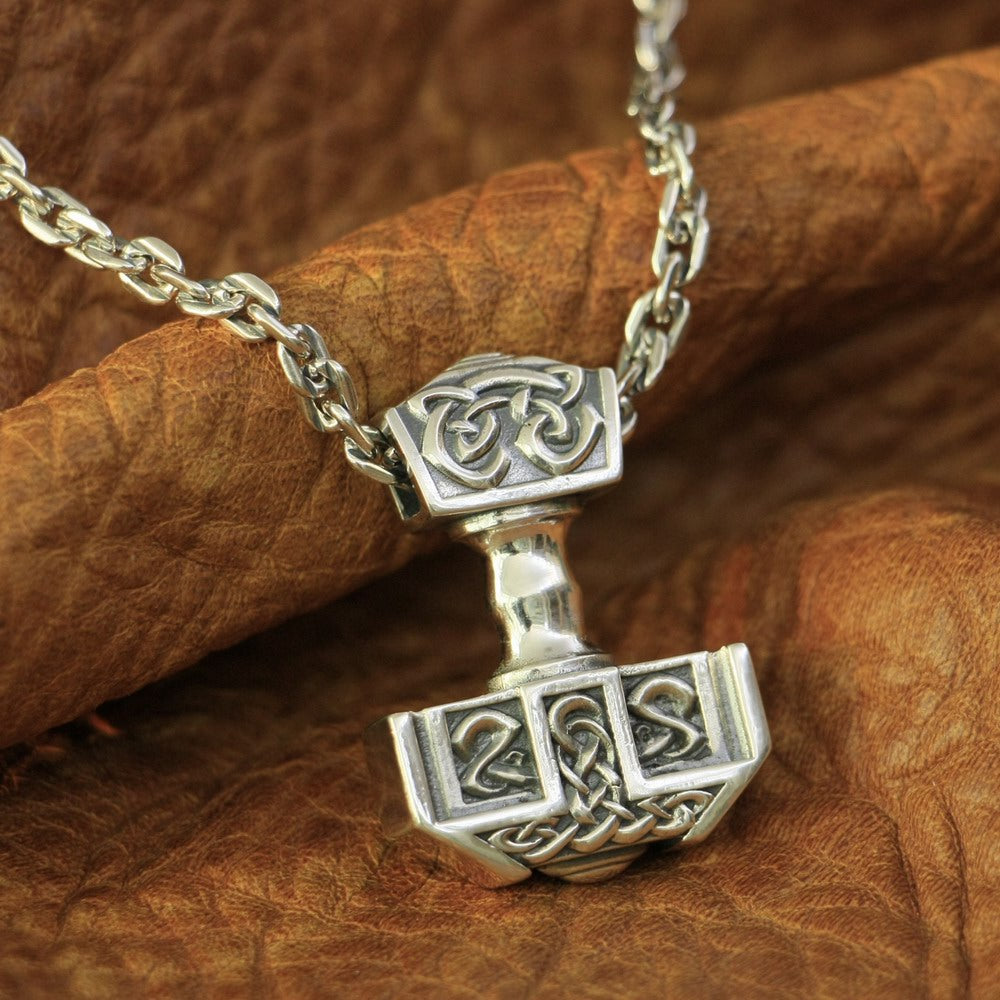
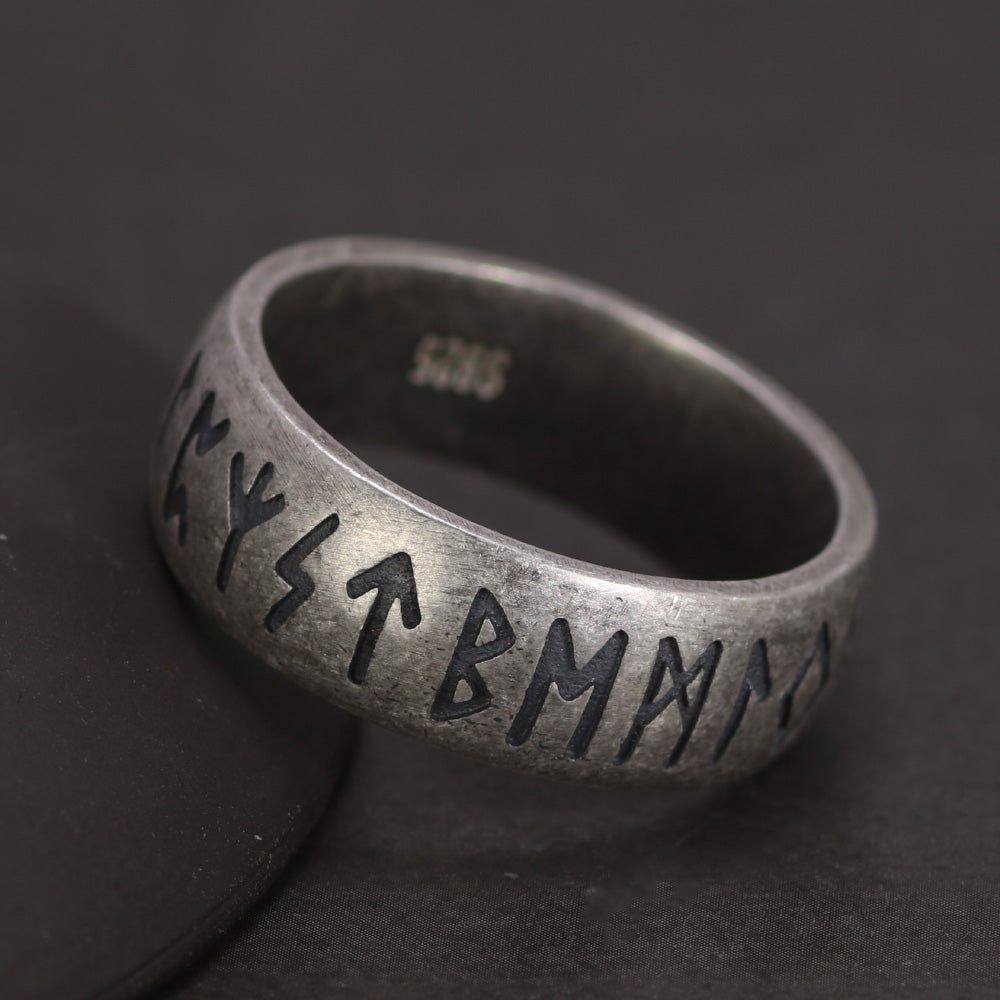
Jewelry was an important indicator of wealth in Viking-Age society. Brooches, necklaces, beads, rings and other ornaments could communicate status and family connections. Archaeological discoveries of women's graves have produced spectacular examples of Viking-Age jewelry.
The famous paired tortoise brooches found in many Scandinavian women's graves are particularly associated with women's dress. Jewelry could also form part of a woman's wealth and personal possessions.
Judith Jesch's research on women in the Viking Age emphasizes how archaeology, literature, inscriptions and foreign accounts can be combined to understand women's roles and material culture.

The Bridal Journey
Movement from the bride's household to the groom's household could symbolize the creation of a new family unit.
The physical journey could therefore have social meaning. Relatives and friends accompanied the bride, while the groom's household received the new family member.
This aspect of marriage is reflected indirectly throughout the Icelandic sagas. Weddings are often described as events involving large groups of relatives, friends and political allies rather than simply the bride and groom.

Marriage, Divorce and Women's Rights
One of the most interesting aspects of Norse marriage is that it was not necessarily permanent. Icelandic law permitted divorce under certain circumstances, and saga literature contains several examples.
Guðrún's first marriage in Laxdæla saga eventually ended in divorce. After separating from Þorvaldr, Guðrún received her share of the property. The episode demonstrates that women could possess meaningful economic and legal rights, although those rights existed within a strongly patriarchal society.
Marriage was therefore not simply a religious bond. It was also a legal and economic institution.

What Did a Pagan Viking Wedding Actually Look Like?
The honest answer is that we cannot reconstruct one universal Viking wedding.
A historically informed Norse wedding might have involved:
- Negotiations between families
- A formal betrothal
- A marriage contract
- Agreements concerning property and financial obligations
- Preparation of the bride and groom
- A journey or gathering of relatives
- A substantial wedding feast
- Ale, mead and ceremonial drinking
- Gifts exchanged between families
- Public recognition of the marriage
- Religious elements appropriate to the local pagan tradition
But many details remain uncertain.
There is also an important chronological issue. The Viking Age lasted for centuries, and Scandinavia was not culturally uniform. Danish, Norwegian, Swedish and Icelandic communities could have followed different customs. Furthermore, Christianity gradually transformed marriage practices during the later Viking Age.

Viking Weddings: History Versus Modern Reconstruction
Modern Norse Pagan weddings often combine historical material with contemporary religious practice. A ceremony might include a blót, offerings, a ritual toast, symbolic exchange of rings, invocation of Norse gods or the binding of hands.
These ceremonies can be meaningful modern expressions of Norse Paganism, but they should not automatically be described as exact replicas of Viking-Age weddings.
The surviving evidence is simply too fragmentary to support such certainty.
What we can say with confidence is that marriage in Viking-Age Scandinavia was deeply connected with family, property, status, hospitality and community. The Icelandic sagas provide particularly compelling examples of how marriages could influence the lives of entire families.
Far from being merely romantic celebrations, Norse weddings were important social institutions. Just like our modern version, they could create alliances, transfer wealth, establish new households and, as the sagas repeatedly demonstrate, sometimes set the stage for generations of conflict, but weddings were and remain a fundational part of family life.

Back in June 2020, we published a blog post about the Viking Wedding, based on often used reconstruction practices. You can find it here: The Traditional Viking Wedding
Bibliographical References
Byock, Jesse L. Viking Age Iceland. Penguin Books, 2001. ISBN-13: 978-0140291155.
Jesch, Judith. Women in the Viking Age. Boydell Press, 1991. ISBN-13: 978-0851152783.
Brink, Stefan & Price, Neil (eds.). The Viking World. Routledge, 2008. ISBN-13: 978-0415692625.
Smiley, Jane (ed.). The Sagas of Icelanders. Penguin Classics, 2001. ISBN-13: 978-0141000039.