
Scandinavia conjures images of long, dark winters, snow-covered landscapes, and bitter cold. Now imagine living there over a thousand years ago—without electricity, central heating, insulated homes, or modern winter clothing. And yet, the Vikings not only survived these winters; they thrived. Their ability to endure the harsh environment of Northern Europe was one of the defining factors that shaped Viking culture, economy, and daily life. Understanding how they did it offers a fascinating look into their resilience, ingenuity, and deep relationship with nature.

The Architecture of Survival: Longhouses Built for the Cold
Viking homes — longhouses for those who could aford them — were designed with winter in mind. They were typically constructed with thick timber walls, sod roofs, and sometimes turf-covered exteriors that provided natural insulation. The interiors were long and narrow, with a central hearth that burned constantly, providing both warmth and light.

Unlike modern homes with separate rooms, Viking longhouses were mostly open spaces. This allowed heat from the hearth to spread more efficiently throughout the building. People and animals sometimes shared the same structure, especially in the coldest regions. Livestock body heat helped warm the house, while the animals benefited from the shelter.
Floors were often covered with straw, furs, or woven mats to reduce heat loss. Windows were tiny or absent altogether to minimize drafts, and doorways were strategically placed to avoid exposure to prevailing winds. Every architectural detail served a purpose: staying warm through months of freezing temperatures (you can read more about The Norse and Viking Longhouse here).

Clothing: The Original Layering System
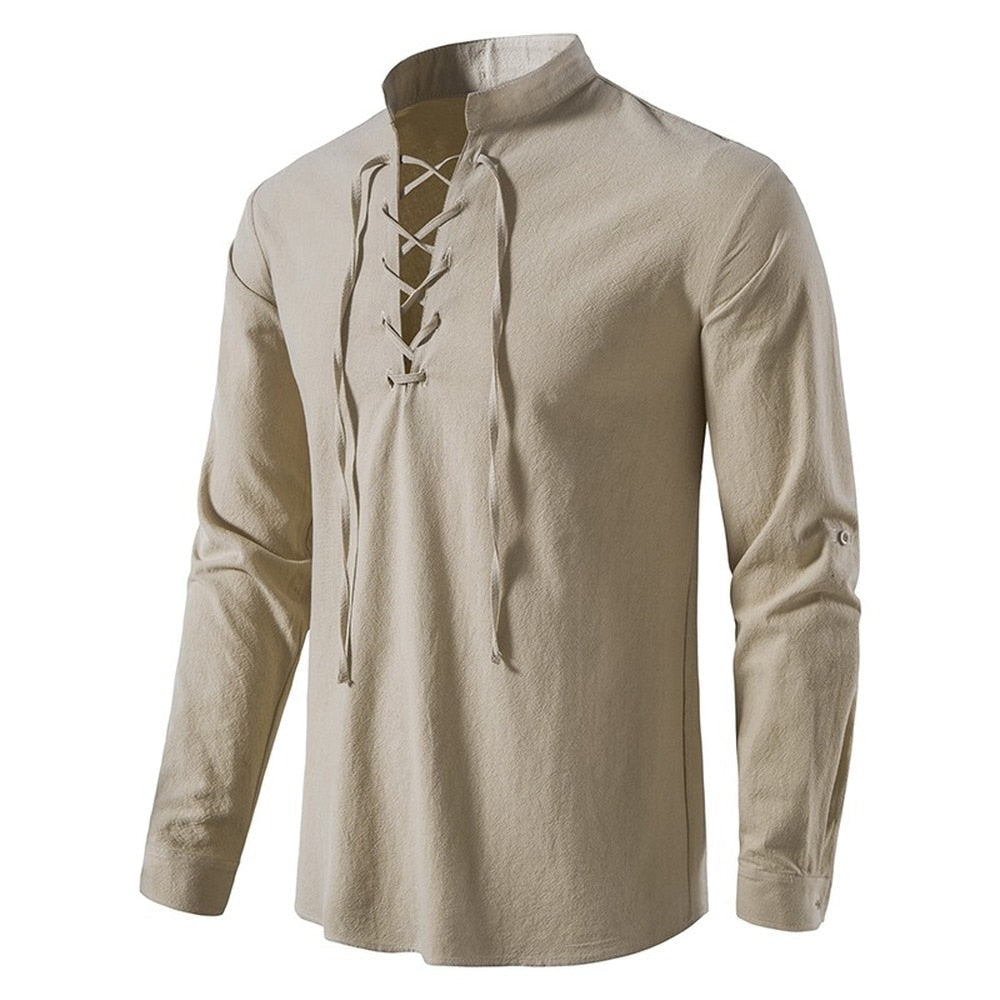
The Vikings developed clothing that was both practical and effective in cold weather. Much of this clothing was made from wool—one of the warmest and most durable materials available. Wool retains heat even when damp, making it ideal for Scandinavia’s wet and snowy climate.
Typical winter garments included:
- Woolen tunics and trousers
- Thick cloaks fastened with brooches
- Sheepskin or fur-lined outer garments
- Woolen socks and leather shoes stuffed with insulating materials
- Fur hats, mittens, and hoods
Archaeological finds, such as those from the Oseberg and Gokstad ship burials, show that Vikings were highly skilled textile producers. They used techniques like tablet weaving to create sturdy and decorative clothing. Layering was essential, and Vikings may have worn multiple tunics and cloaks during the coldest months (you can read more about Norse Cloathing in the Viking Age here).

Food Preservation: Stockpiling for the Long Dark Months
Winter survival required months of preparation, especially when fresh food was scarce. The Vikings relied heavily on preservation techniques including smoking, drying, salting, and fermenting.
Meat and fish
Large quantities of fish, especially herring, cod, and salmon, were dried or smoked to last through winter. Livestock were slaughtered in late autumn to minimize feeding requirements during winter, and the meat was preserved for consumption over several months.
Grains and dairy
Barley, rye, and oats were harvested in late summer and stored carefully. These grains formed the backbone of Norse winter diets, used for bread, porridge, and ale. Dairy products such as cheese and butter were produced in abundance during warmer months and stored in cool conditions.
Fermented foods
The Norse peoples used fermentation not just for beverages but also for vegetables. Sauerkraut-like dishes helped provide vital nutrition and prevented vitamin deficiencies.
In short, surviving winter meant thinking ahead. The Norse agricultural calendar was carefully structured to ensure that households produced enough to last through the lean months (read more about The Viking Diet here).

Winter Activities: Work, Craft, and Community
Contrary to the belief that winter was a time of complete inactivity, the Norse peoples used this season for essential indoor tasks. With farming on pause, winter allowed time for:
Craftsmanship: Woodworking, textile production, leatherwork, and metalwork were often done during winter months.
Repair and maintenance: Tools, ships, and weapons were repaired when conditions outside made long voyages impossible.
Storytelling and social gatherings: Winter was a season rich in oral tradition. Skalds recited sagas and poems, strengthening cultural identity.
Trade and travel (when possible): Traveling in winter was usually avoided, but sometimes it was necessary. Sea ice limited long voyages, but inland trade could still occur, and some winter routes over frozen lakes and rivers were actually more reliable than muddy autumn roads. When it was necessary, traveling was often done in several small journeys, from farm to farm along the way, which cemented hospitality as a valuable virtue.
Winter was not merely endured, it was a productive season that strengthened communities.

Physical Hardiness and Cultural Resilience
Survival was not just about tools and structures; it was also about mindset. The Norse culture celebrates strength, endurance, and adaptability. From childhood, individuals were accustomed to physical labor, exposure to the elements, and communal cooperation.
Winter hardships shaped Viking values. Warmth and hospitality became treasured virtues, reflected in sagas that praise generous hosts and condemn those who refused shelter to travelers. Surviving winter was not just a logistical challenge, it was a moral one.

Navigation and Winter Travel
Although long-distance raiding or trading expeditions were typically a summer activity, Vikings were not held captive by winter. They adapted their travel methods to the season. On land, they used skis and sledges pulled by horses or dogs. Ski fragments and pole finds unearthed in Norway show that skiing was part of daily life, not just recreation.
In some regions, fjords, lakes, and rivers froze solid, creating natural highways. Travel that was difficult in muddy seasons could become easier on smooth ice. Viking ingenuity ensured that winter was not a time of paralysis but of adaptation.

The Spiritual Dimension: Winter in Norse Mythology
Norse mythology reflects the Viking worldview shaped by long winters. Many myths emphasize struggle against harsh elements, from the frost giants (Jötnar) to the perpetual cold of Niflheim. Seasonal cycles are embedded in the Norse cosmology. Winter was both feared and respected, a force to be negotiated through ritual, preparation, and community cohesion.
Festivals like Jól (Yule), which later influenced Christmas traditions, were important midwinter celebrations meant to bring families together, honor Gods, and rekindle hope during the darkest time of year (read more about The Norse Yule here).

The Norse and Vikings survived winters through a combination of practical engineering, resourcefulness, physical hardiness, and cultural resilience. They built warm, insulated homes; wore layered woolen clothing; preserved food efficiently; and adapted their work and travel habits to seasonal realities. The Norse community, traditions, and daily routines all reflect a deep understanding of how to live with the cold rather than fight it.

Bibliographical References
Graham-Campbell, James. The Viking World. Frances Lincoln Publishers, 2013. ISBN: 9780711234682
Williams, Gareth. Vikings: Life and Legend. British Museum Press, 2014. ISBN: 9780714123365
Haywood, John. The Penguin Historical Atlas of the Vikings. Penguin Books, 1995. ISBN: 9780140513285