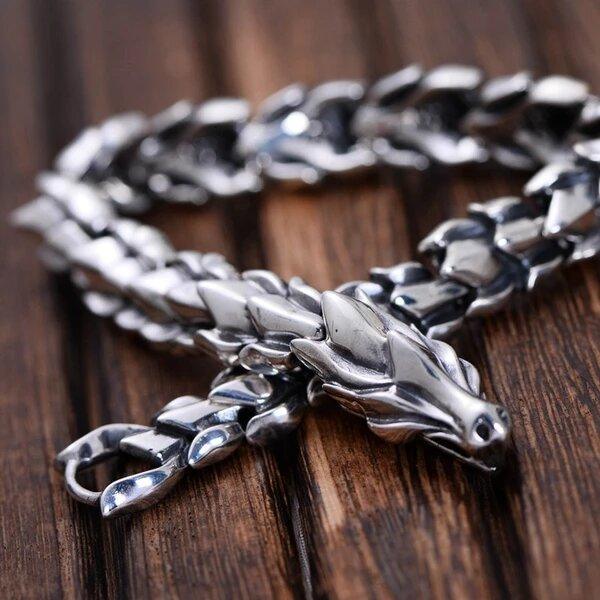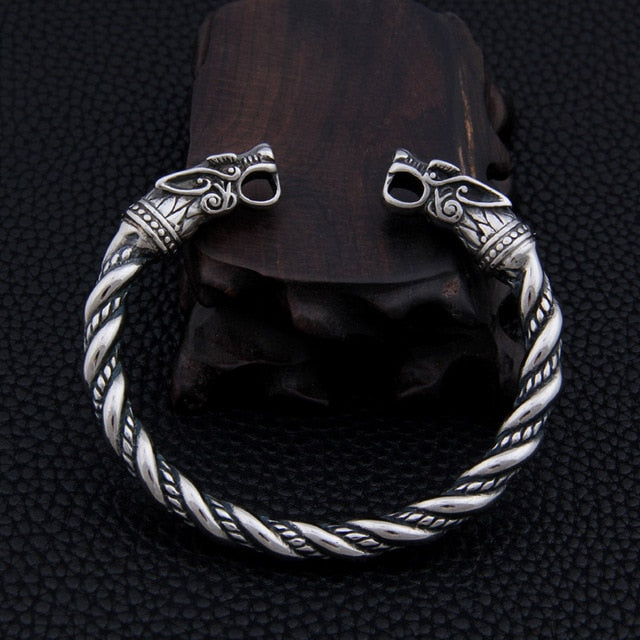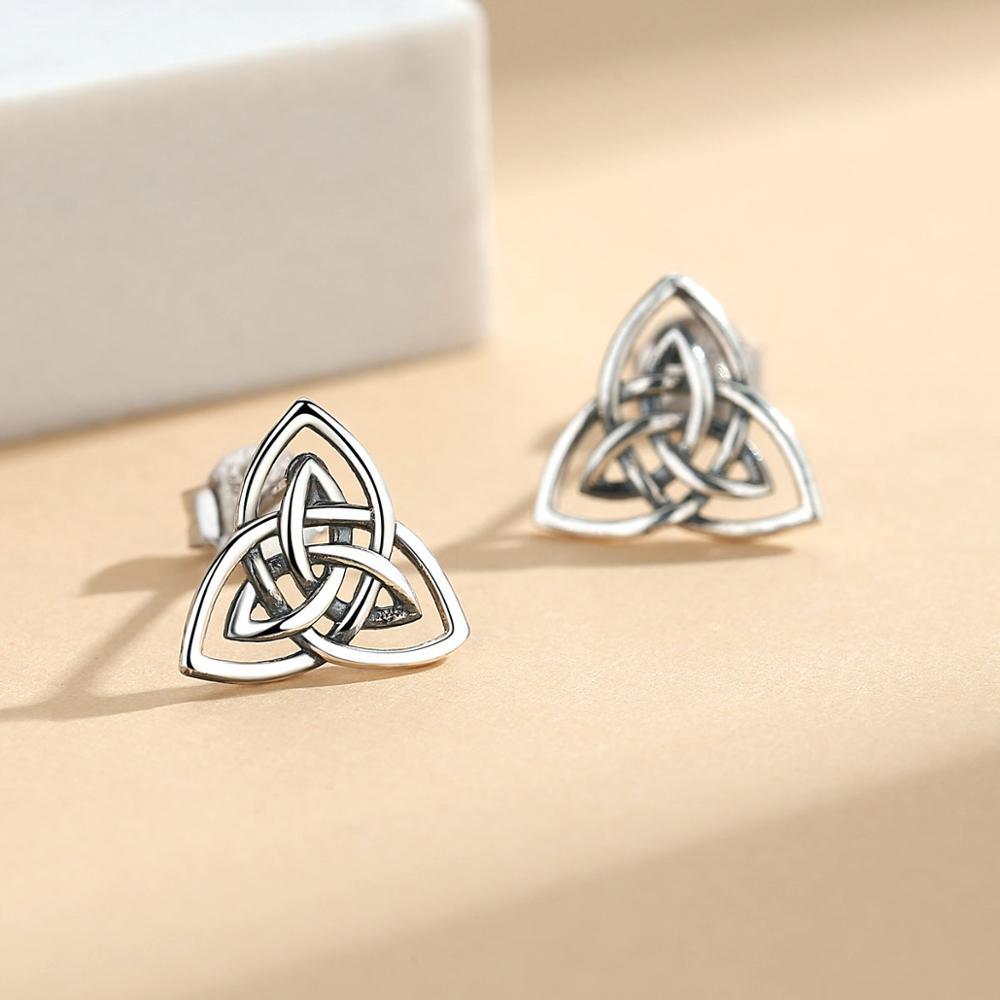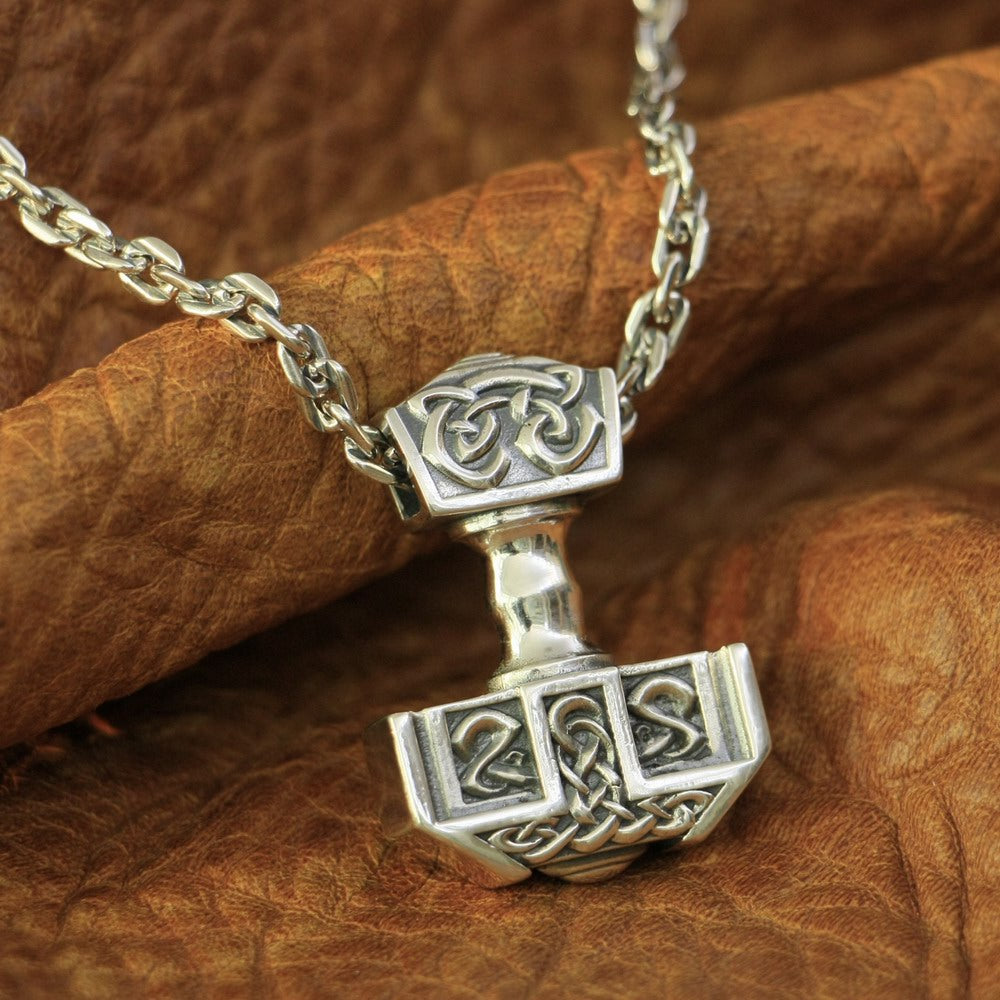

During the Viking Age (roughly 750–1100 CE), the seafaring peoples of northern Europe created a vibrant material culture that blended artistry, belief, and social meaning. Among the most expressive artifacts from this era is jewelry. Far more than decoration, Norse and Viking jewelry signaled wealth, allegiance, spiritual protection, and participation in expansive trade networks stretching from Scandinavia to the British Isles and beyond.

Jewelry as Social Currency
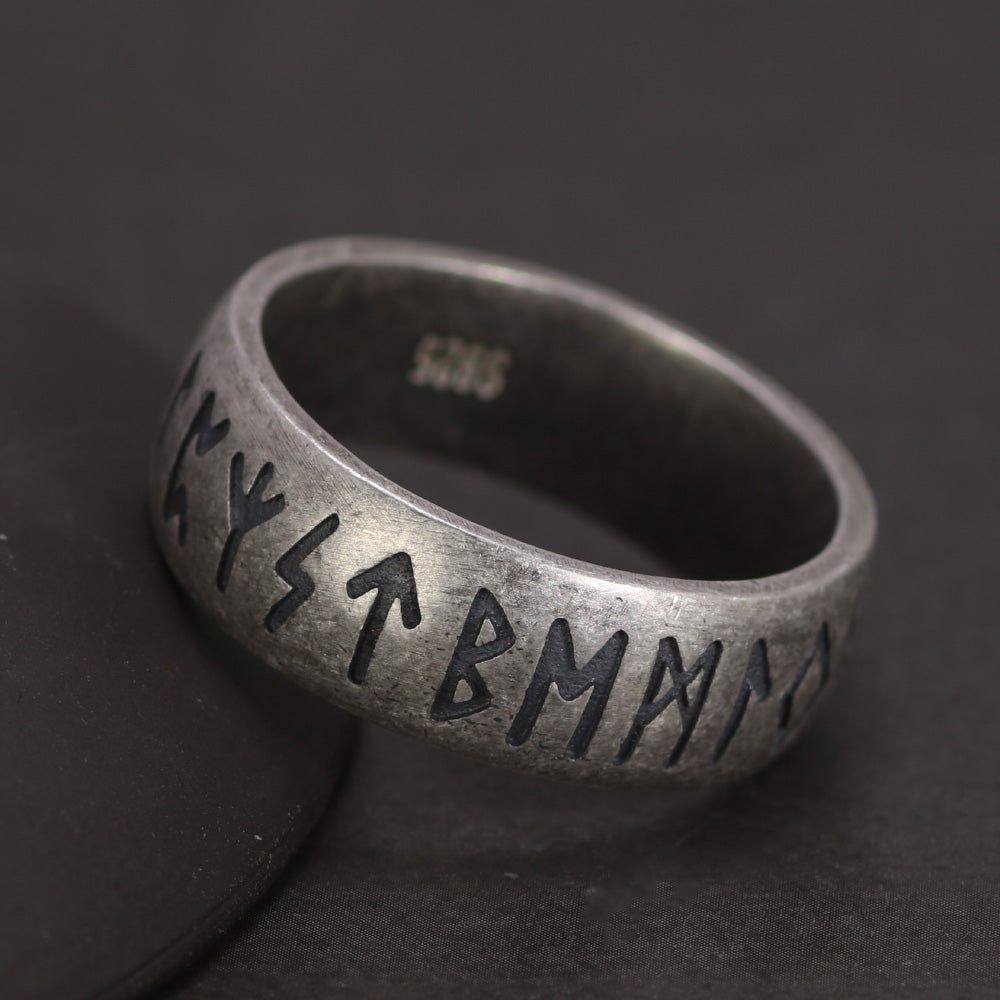
In Viking society, jewelry functioned as portable wealth. Silver arm rings, neck rings, and brooches were not only ornamental but also served as a form of currency. Wealth was often stored in precious metal objects that could be cut into pieces—known as “hack silver”—to facilitate trade or payment. This practice reflects a society where bullion mattered more than coinage in many regions.
Arm rings were especially significant. Chiefs and leaders bestowed them upon followers as rewards for loyalty, reinforcing social bonds. Receiving such a gift was not merely economic—it symbolized belonging to a war band or political network. In the sagas, rings frequently appear as markers of honor, oath-taking, and alliance.

Materials and Craftsmanship
Viking jewelers worked primarily with silver, bronze, gold (more rarely), iron, amber, and glass beads. Silver dominated because of the enormous inflow of Islamic dirhams obtained through eastern trade routes along the rivers of Eastern Europe. These coins were often melted down and reworked into distinctly Norse designs.
Craft techniques included casting, filigree, granulation, stamping, and intricate wirework. Artisans created detailed animal interlace patterns characteristic of Viking art styles such as Borre, Jelling, Mammen, and Urnes. These motifs featured twisting beasts, gripping animals, and serpentine forms—visual expressions of a worldview steeped in myth and transformation.
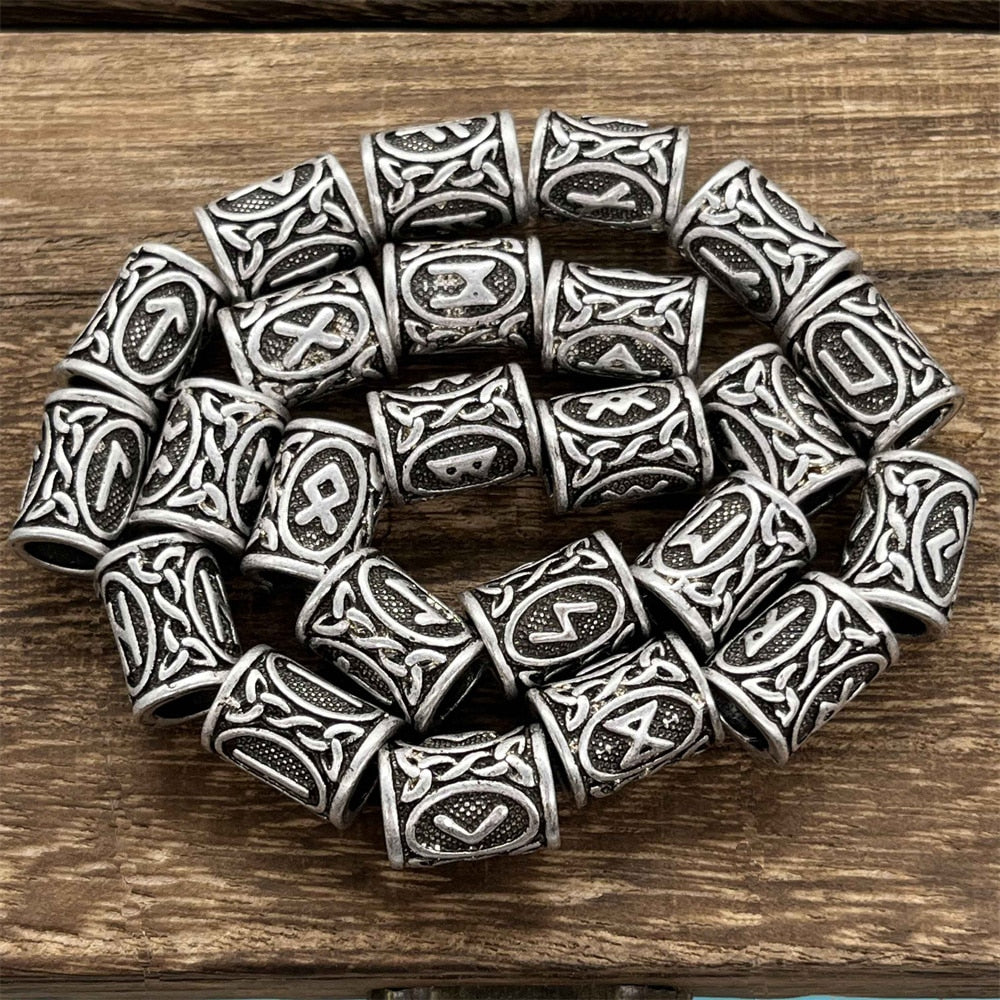
Beads were another common form of adornment, particularly for women. Archaeological finds from graves show elaborate bead necklaces combining glass, amber, carnelian, and metal spacers. The diversity of materials demonstrates the Vikings’ far-reaching trade connections with the Byzantine Empire, the Islamic world, and continental Europe.

Brooches and Gender Identity
Brooches were among the most distinctive items of Viking jewelry and played a major role in signaling gender and status. Oval brooches—sometimes called “tortoise brooches”—were typically worn by women to fasten the straps of apron dresses. These pieces were often richly decorated and paired, forming a recognizable marker of Norse female attire.
Disc brooches, trefoil brooches, and penannular brooches also appear frequently in graves. Some were locally produced, while others were imported or adapted from foreign designs, especially from Anglo-Saxon or Celtic metalwork traditions. Their presence reflects the Vikings’ openness to cultural exchange and their tendency to incorporate foreign styles into Norse aesthetics.
Men’s jewelry tended to emphasize rings, pendants, and weapon fittings rather than large brooches, though decorative cloak pins were also used.

Religious Symbolism and Amulets
As with much of Viking material culture, jewelry often had spiritual significance. Pendants shaped like miniature tools, weapons, or mythological symbols functioned as amulets intended to offer protection or invoke divine favor.
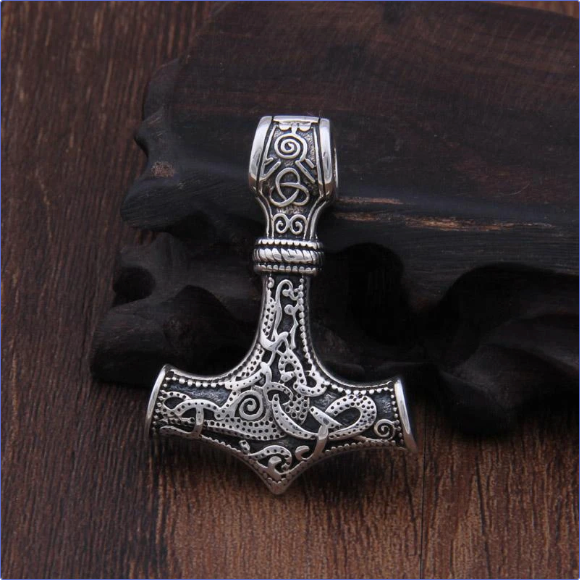
One of the most famous examples is the hammer of Thor, Mjölnir. Thor’s hammer pendants became particularly widespread during the 10th century, likely reflecting a cultural response to the spread of Christianity. Wearing such a symbol asserted loyalty to the old Norse gods and traditions. These pendants appear in many burial sites, indicating their deep personal and communal importance.
Other amulets included small animal figures, crosses (sometimes worn alongside Thor’s hammers), and symbolic objects believed to guard against misfortune. This blending of symbols highlights a transitional period in which pagan and Christian beliefs coexisted.

Jewelry in Burial and Memory
Grave finds provide much of what we know about Viking jewelry. Both cremation and inhumation burials often included personal ornaments, suggesting that jewelry accompanied the dead into the afterlife. The quantity and quality of these items often reflected social rank.
Elite graves might include elaborate gold fittings, imported beads, or finely crafted brooches, while more modest burials contained simpler bronze or iron ornaments. The inclusion of jewelry served not only spiritual purposes but also commemorated identity—gender, lineage, and achievements.
These burial customs reveal how jewelry functioned as a narrative device, telling stories about the individual even after death.

Trade Networks and Cultural Exchange
Viking jewelry styles provide compelling evidence of global interaction during the early medieval period. Scandinavian artisans adapted motifs from Celtic knotwork, Carolingian metalwork, Slavic patterns, and Islamic geometric designs. The resulting objects are hybrid creations reflecting a cosmopolitan world often overlooked in popular portrayals of Vikings as isolated raiders.
Hoards discovered across northern Europe further illustrate this interconnected economy. They contain mixtures of coins, ingots, broken jewelry, and intact ornaments from multiple cultures—proof of the Vikings’ role as traders, mercenaries, and settlers as well as warriors.
Legacy and Modern Fascination
Today, Viking jewelry remains one of the most recognizable elements of Norse heritage. Museums, reenactment communities, and modern jewelers continue to reproduce designs inspired by archaeological finds. These objects captivate modern audiences because they embody both artistic sophistication and the adventurous spirit associated with the Viking Age.
Beyond aesthetics, Viking jewelry offers insight into identity, belief, and the structure the Norse society. Each ring, brooch, or pendant represents not merely decoration but a microcosm of power, faith, and connection across continents.

Bibliographical References
Winroth, Anders. The Viking Age. Princeton University Press, 2014. ISBN: 978-0-691-14125-2
Price, Neil. Children of Ash and Elm. Basic Books, 2020. ISBN: 978-0-465-09498-0
Crawford, J. The Poetic Edda. Hackett Publishing Company, Inc., 2015.
Ellis Davidson, H. R. Myths and Symbols in Pagan Europe. Syracuse University Press, 1988.
Sawyer, P. The Oxford Illustrated History of the Vikings. Oxford University Press, 2001.
Wolf, K. Viking Age: Everyday Life During the Extraordinary Era of the Norsemen. Sterling, 2013.