A Norse blót is a traditional religious ceremony, involving offerings to the Gods, spirits, and other powers believed to influence human life, nature, and the prosperity of communities. Today, blót is practiced by some followers of Heathenry, Ásatrú, and other modern Norse-inspired spiritual traditions as a way to honor the old Gods, express gratitude, strengthen community bonds, and reconnect with ancestral heritage.
Performing a blót today does not require an elaborate temple, expensive ritual objects, or specialized knowledge. With thoughtful preparation, respect for historical sources, and a clear intention, a modern practitioner can create a meaningful ceremony inspired by Norse tradition.

Understand the Meaning of Blót
The Old Norse word blót refers to a sacrificial offering or ritual associated with worship. In Scandinavia, blót ceremonies could take place in homes, sacred groves, community gathering places, or halls associated with political and religious leadership.
Historical accounts, including material preserved in medieval Icelandic literature, describe offerings made during seasonal celebrations and communal feasts. Animals were sometimes sacrificed, and their meat could be prepared and shared among participants. The ceremonies connected religious devotion with hospitality, community solidarity, and the well-being of the group.
Modern blót practices vary considerably. Some Heathens emphasize historical reconstruction, while others focus on personal spirituality, symbolic offerings, or communal worship.
A contemporary blót can honor deities such as Óðinn, Þórr, Freyja, or Freyr. It may also acknowledge ancestors or local spirits, depending on the practitioner's beliefs. There is no single ritual format accepted by every Heathen community, so it is helpful to distinguish documented historical customs from modern adaptations.

Choose a Purpose for Your Blót
Before beginning, decide why you want to perform the ceremony. A clear purpose gives the ritual structure and helps participants understand its meaning. Possible occasions include:
- Gratitude: Giving thanks for health, friendship, protection, or personal achievements.
- Seasonal observance: Marking the changing seasons, the harvest, or the return of spring.
- Devotion: Honoring a particular deity through prayer and offerings.
- Ancestor remembrance: Reflecting on family history and remembering those who came before.
- Community fellowship: Gathering friends or fellow Heathens for shared worship and conversation.
Some modern practitioners organize blóts around the solstices, equinoxes, or other seasonal occasions. Others observe festivals inspired by historical Norse calendars. Because evidence for the exact dates and customs of many ancient festivals is incomplete, it is best to approach modern calendars as interpretations rather than universally established historical facts.

Prepare a Suitable Sacred Space
A blót can take place outdoors or indoors. A garden, woodland clearing where access is permitted, quiet room, or home altar can provide a suitable setting.
Choose a location where participants can gather comfortably and safely. If you are outdoors, respect the landscape, avoid disturbing wildlife, and follow local regulations concerning fires and waste disposal.
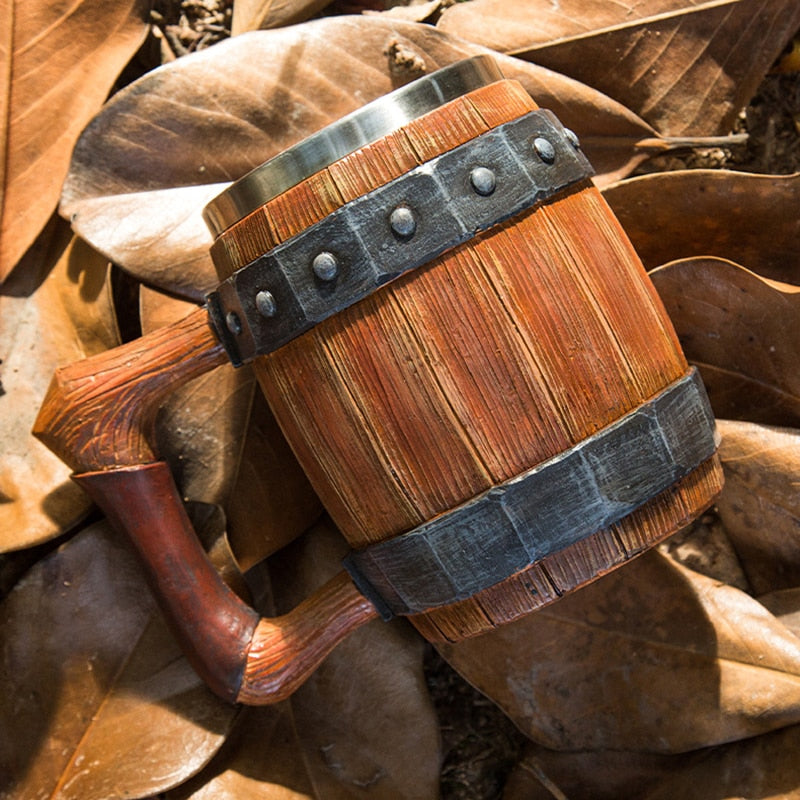
You may prepare a simple altar with a clean cloth, a bowl for offerings, a drinking vessel, and natural objects such as stones, branches, or seasonal plants.
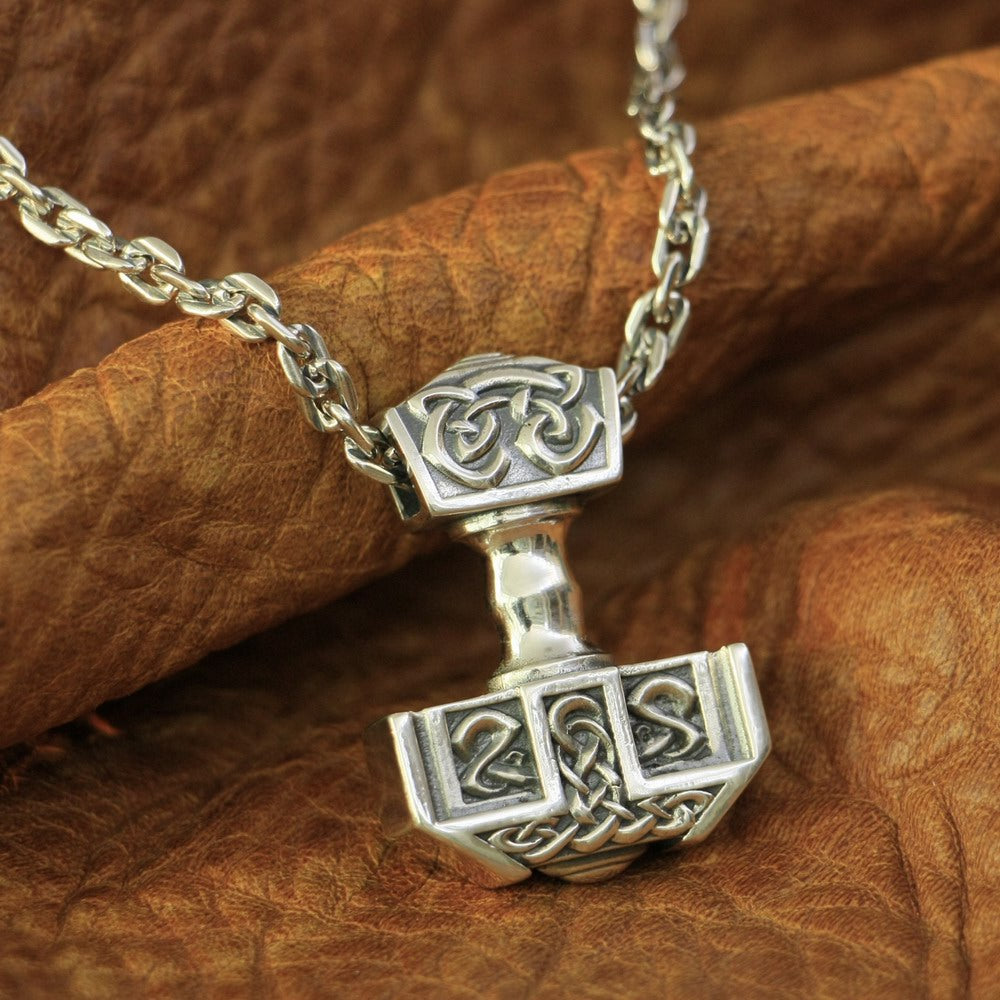
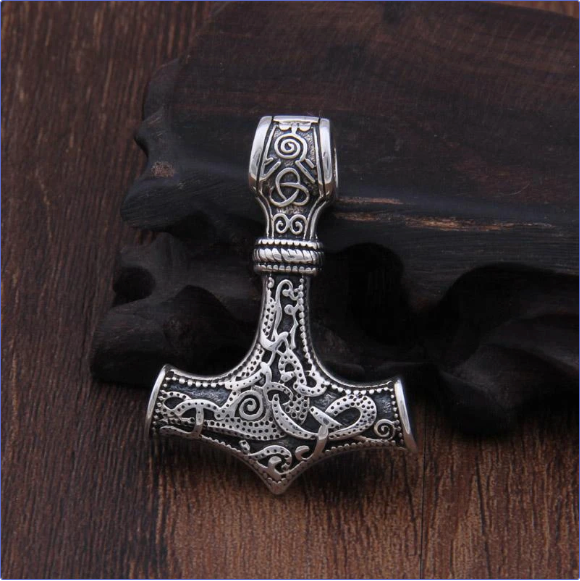
Some practitioners include a the traditional Mjolnir symbol associated with Þórr, while others chose a representation of a different chosen deity, or even objects connected with their ancestors. These items are optional rather than mandatory.
The goal is not to recreate an archaeological site. It is to establish a place where participants can focus their attention and approach the ceremony with respect.

Select Your Offerings
Offerings are a central feature of blót. Historically, offerings could include food, drink, and animal sacrifice. Most traditions involving animal sacrifices have some kind of feast afterwards, as we eat together with our Gods. Suitable offerings include:
- Fresh water or a small quantity of another appropriate beverage.
- Bread, fruit, grains, or other foods.
- Flowers, seasonal leaves, or responsibly gathered natural materials.
- A written expression of gratitude or a personal promise to act responsibly.
Choose offerings that reflect the purpose of the ceremony. For example, an offering associated with harvest gratitude might include bread, apples, or grains. A ceremony honoring Þórr might include words of thanks for strength, courage, and protection.
Avoid leaving food, liquids, or objects in nature where they could harm wildlife or contaminate water. Nature is our temple, and we will respect it.

Perform the Blót Step by Step
Once the space and offerings are ready, the ritual can begin. The following sequence is a practical modern framework rather than a claim to reproduce one universally documented ancient ceremony.
Step 1: Open the ceremony.
Invite participants to gather quietly. Take a few moments to breathe and focus. The person leading the ritual can explain its purpose and welcome everyone.
For example:
“We gather in respect for the powers we honor, in gratitude for what we have received, and in fellowship with one another. May this ceremony be conducted with sincerity, generosity, and good intention.”
Step 2: State whom you are honoring.
Name the deity, ancestors, or spirits relevant to the occasion. You may use a traditional mythological reference or speak in your own words.
For example:
“Þórr, guardian against destructive forces, we honor your strength and the courage to face hardship. May we use our own strength wisely and protect those who depend upon us.”
Personal prayer is acceptable in many modern Heathen settings, although some groups prefer more historically reconstructed language.
Step 3: Present the offering.
Hold the offering or place it before the altar. Explain briefly what it represents, such as gratitude, hospitality, remembrance, or a commitment to live honorably.
Pouring a small amount of liquid into a dedicated vessel or presenting food can serve as a symbolic offering.
Step 4: Speak your prayer or toast.
A prayer may express thanks, request wisdom, or acknowledge the relationship between human beings and the divine. Some practitioners use the term gifting cycle to describe reciprocal relationships of generosity and respect between worshippers and the powers they honor.
This concept should not be understood as a guarantee that a deity must grant a request. The Gods are not your fairy godmothers. Instead, the ritual can express devotion, humility, and a willingness to live according to one's values.
Step 5: Invite reflection or shared participation.
Participants may offer their own words, share a brief toast, or remain silent. In a group setting, ensure that everyone can participate voluntarily without being required to disclose private beliefs.
Step 6: Close the ceremony.
Thank the powers honored and acknowledge the people gathered. A simple closing statement might be:
“May gratitude guide our actions, may wisdom strengthen our choices, and may friendship sustain us. This blót is complete.”
The ceremony can conclude with a shared meal, conversation, or a period of quiet reflection.

Respect History, Nature, and Community
A meaningful modern blót balances spiritual sincerity with historical awareness. Medieval sources provide valuable information about Norse religion, but they were written down after the conversion to Christianity and do not always offer transparent accounts of earlier practices.
Avoid presenting modern inventions as unquestionably ancient customs. Instead, be open about the difference between historical evidence, scholarly interpretation, and personal tradition.
Respect is equally important when honoring ancestors and spirits. Ancestral practice should not depend on assumptions about ancestry, ethnicity, or cultural superiority. Norse-inspired spirituality is practiced by people from diverse backgrounds, and individual groups have different approaches to identity and belonging. Odin is the ALL-father, not the some-father.
Finally, keep the ritual environmentally responsible. Do not leave litter, damage sacred or protected places, light fires where prohibited, or release objects into rivers and lakes, remember that nature is a Pagan's temple.

Performing a Norse blót today can be a meaningful way to express gratitude, honor the Gods, remember ancestors, and strengthen bonds with a spiritual community. The ceremony does not need to be complicated. A clear intention, a respectful space, a symbolic offering, sincere words, and a thoughtful conclusion are enough to create a purposeful modern ritual.
By combining historical research with personal reflection and responsible practice, contemporary Heathens can engage with Norse religious traditions while acknowledging the limits of historical knowledge. Ultimately, the value of a blót lies not in elaborate props or dramatic gestures, but in the sincerity of the offering and the care with which the ceremony is performed.
Bibliography
Simek, Rudolf. Dictionary of Northern Mythology. Translated by Angela Hall. D. S. Brewer, 1993. ISBN-10: 0859915131; ISBN-13: 978-0859915137.
Larrington, Carolyne, translator. The Poetic Edda. Revised edition. Oxford University Press, 2014. ISBN-10: 0199675341; ISBN-13: 978-0199675340.
Davidson, H. R. Ellis. Gods and Myths of Northern Europe. Penguin Books, 1964. ISBN-10: 0140136274; ISBN-13: 978-0140136272.