
In the Norse world, Jól (Yule) is not a single night but a midwinter festival tied to survival, ancestry, and the sacred order of the cosmos. It marks the deep winter period, when the darkness of the night seems endless and the cold bites hard, making the hearth fire more inviting than ever.

Unlike modern holidays, Norse Yule was not sentimental. It was solemn, communal, and practical. Rituals focused on maintaining frith (peace and right order), honoring the Gods and ancestors, and ensuring good fortune for the coming year. While many historical practices were communal and agricultural, several core Yule customs can still be meaningfully adapted for home observance today.
What follows are common Yule rituals grounded exclusively in Norse religion and worldview, translated carefully into forms suitable for modern households.
1. Honoring the Turning of the Sun (Midwinter Awareness)
Religious meaning: The Norse were deeply aware of seasonal cycles, even if surviving sources do not preserve a single standardized solstice ritual. Midwinter marked a cosmic threshold: the sun’s power weakened, chaos loomed closer, and order had to be reaffirmed through correct action.
Home practice: On the longest night, acknowledge the turning of the year by sitting in quiet at sunset. Light a single flame — traditionally a hearth fire — as a sign of human order holding back darkness. This is not symbolic optimism, but recognition that survival continues because the household endures.
The act reflects the Norse understanding that human steadiness supports cosmic balance.

2. The Hearth Fire and Yule Flame
Religious meaning: Fire was central to Norse domestic religion. The hearth represented protection, kinship, and continuity. Also, in a time before electricity, it was the only way to heat the home. During Yule, maintaining fire was both practical and sacred, and was traditionally done by slowly and continuously burning a very long log (aptly named "Yule log").
Home practice: If you have a fireplace, light it deliberately during Yule with intention and care. If not, a candle or oil lamp can stand in for the hearth flame. Tend it attentively for a set time, without distraction.
Historically, allowing the fire to die during critical times was a sign of disorder. Keeping it burning was an act of responsibility toward both household and Gods.

3. Offering to the Gods (Blót at Home)
Religious meaning: Blót is one of the central religious act of Norse life: the giving of offerings to maintain reciprocal relationships with the Gods. Yule blóts were especially important and are referenced in multiple saga sources.
Home practice: Prepare a simple offering — food, drink (historically ale or mead), or symbolic goods. Place it respectfully on a table or outside. Speak aloud who the offering is for and why it is given. This should be done plainly and sincerely, without theatrical elements.

4. The Yule Ale and Sacred Drinking
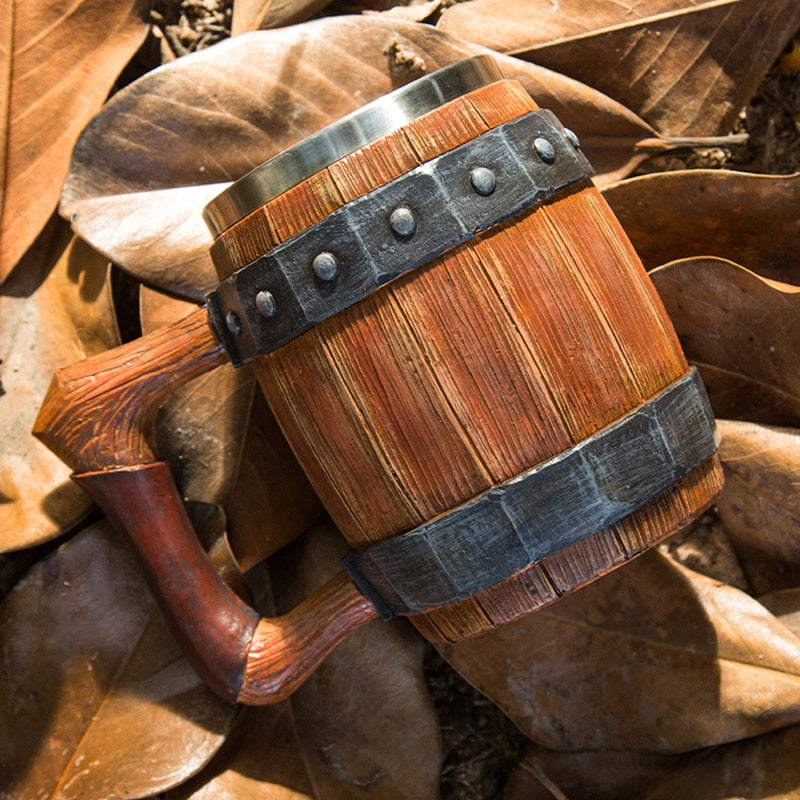
Religious meaning: Yule was inseparable from drinking rituals. Saga sources describe ale brewed specifically for Yule and consumed in formal toasts honoring the Gods, ancestors, and future oaths. This practice was called Heitstrenging, and was taken very seriously.
Home practice: Prepare a drink — alcoholic or not — and pour a small portion as an offering. The remainder may be consumed mindfully. Before drinking, speak a toast:
- To a God
- To ancestors
- To a goal or responsibility for the coming year
In Norse culture, words spoken over drink were binding. Speak carefully.

5. Honoring the Ancestors (Dísir and Álfar)
Religious meaning: Yule was closely associated with the dísir (female ancestral spirits) and álfar (ancestral or land-connected beings). Protection, luck, and family continuity depended on honoring them correctly.
Home practice: Set aside a quiet space for ancestors. Place photographs, names, or symbolic objects there. Offer food or drink and acknowledge their role in the survival of the family line.
This is not remembrance for comfort, but recognition of obligation and inheritance.

6. Household Order and Frith
Religious meaning: Maintaining frith — right order, peace, and lawful relations — was a sacred duty. Disorder invited misfortune.
Home practice: Before or during Yule, clean and organize your living space deliberately. This is not cosmetic cleaning but restoration of order. Repair what can be repaired. Finish what should be finished.
In Norse religion, order in the household mirrored order in the cosmos.

7. Oaths and Words for the Coming Year
Religious meaning: Oaths are sacred acts overseen by the Gods, especially Óðinn, Týr and Ullr. Yule is a time when words spoken carried particular weight.
Home practice: If you choose to speak intentions or commitments at Yule, keep them few and realistic. Speak them aloud in the presence of fire or an offering. Do not promise what you cannot uphold - which is a good practice for all year, not only Yule.
Breaking oaths is spiritually dangerous in the Norse worldview, and in the sagas, the breaking of oaths always brought disaster.
8. The Wild Hunt and Awareness of the Otherworld
Religious meaning: Midwinter nights were believed to be dangerous and liminal. The Wild Hunt, led by Óðinn, rode through the skies, and the boundaries between worlds were thinner.
Home practice: Traditionally, people stayed indoors at night during Yule. You can honor this belief by limiting unnecessary travel, lowering lights, and keeping the household calm after dark.
This reflects respect for forces beyond human control.

Yule as Duty, Not Decoration
In Norse religion, Yule is not aesthetic or sentimental. It is about duty to Gods, ancestors and kin, and about ensuring the household endures another year. During the Viking Age these rituals were serious because survival was not guaranteed, and one single failed crop may spell disaster.
Celebrating a Norse Yule today is not reenactment but continuity of values: responsibility, reciprocity, restraint, and honor.

Bibliographical References
Simek, Rudolf. Dictionary of Northern Mythology. D.S. Brewer, 2007. ISBN-13: 978-0859915137
Price, Neil. The Viking Way: Religion and War in Late Iron Age Scandinavia. Oxbow Books, 2019 (2nd ed.). ISBN-13: 978-1785704636
Lindow, John. Norse Mythology: A Guide to Gods, Heroes, Rituals, and Beliefs. Oxford University Press, 2001. ISBN-13: 978-0195153828