
As summer begins to fade across Scandinavia and the first signs of autumn appear, the fields enter one of the most important moments of the agricultural year: harvest. In modern Scandinavian Heathenry, this transition is marked by Sensommarblot, or the Late-Summer Blót, a celebration associated particularly with Thor and Sif.

Usually observed in early August, Sensommarblot is understood as a harvest festival, giving thanks for the crops that have matured during the summer and asking for continued prosperity as the year moves toward autumn. It is especially associated with grain, bread, fertility, protection, and the relationship between people and the land.
However, an important distinction should be made at the beginning. Sensommarblot is not documented as a named Viking Age festival in the surviving medieval sources. It belongs to the calendar of modern Heathen and Ásatrú traditions, particularly Scandinavian forms of contemporary Heathenry. Its themes are inspired by genuine aspects of pre-Christian Norse religion, including seasonal feasting, offerings, agricultural prosperity, and devotion to the gods.

The meaning of Sensommarblot
The Swedish word sensommar means "late summer," while blot refers to the sacrificial or devotional feast known from Old Norse religious practice. Thus, Sensommarblot can be translated as Late-Summer Blót.
Modern Swedish Heathen calendars commonly place Sensommarblot in early August. It marks the end of summer's growth and the beginning of the harvest season. Thor and Sif are its principal divine figures, reflecting their strong associations with agricultural life, fertility, weather, and the productive power of the earth.
The celebration has a particularly appropriate agricultural symbolism. By August, grain is beginning to ripen, hay has been gathered in many traditional farming regions, and the year's success is becoming visible. The festival therefore represents a moment between growth and gathering, when people can finally see the results of months of labor.

Thor: Protector of the Harvest
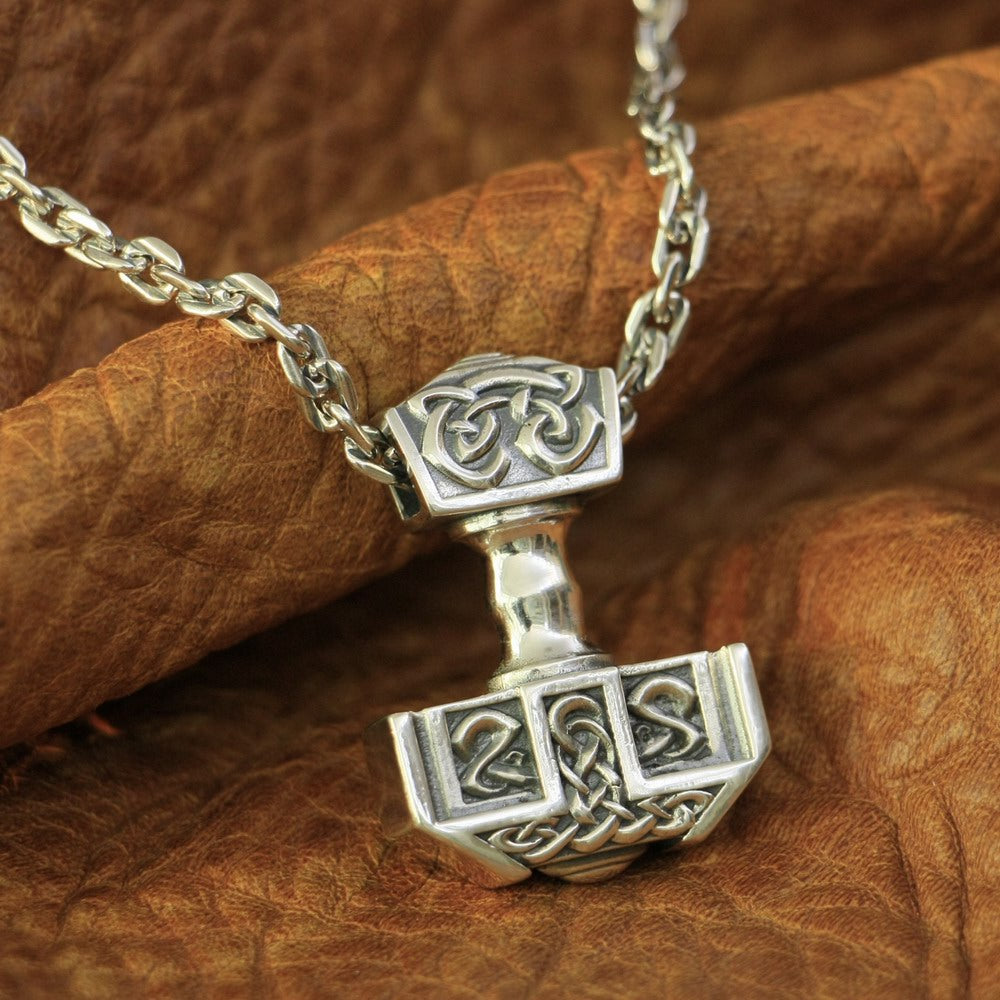
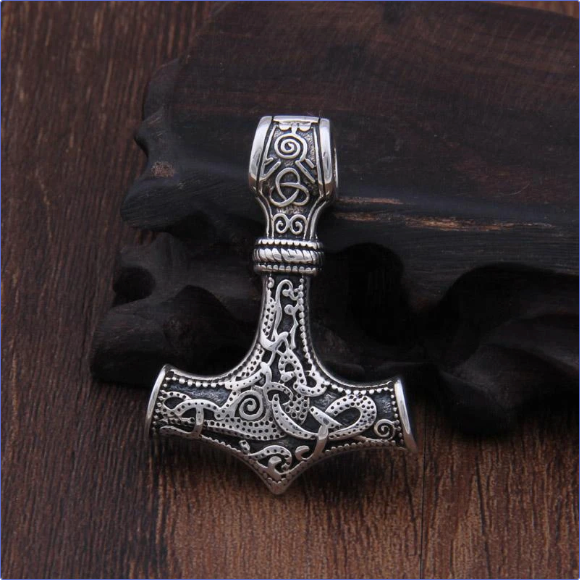
Thor is perhaps the most recognizable of the Norse Gods. Armed with his hammer Mjölnir and associated with thunder and storms, he is one of the most important Gods in Norse Paganism.
Thor's relationship with agriculture is particularly significant. Rain and storms could be dangerous, but rainfall was also essential for crops and pastures. A thunderstorm was therefore not simply an unpleasant weather event. Within an agricultural worldview, the forces represented by Thor could be understood as part of the natural processes upon which human survival depended.
Thor is also regarded as a powerful protector. His role as defender of Gods and humans made him an appropriate figure for a harvest celebration. Farmers rely not only on fertile soil but also on protection from destructive forces, whether supernatural, environmental, or human.
Modern Sensommarblot consequently presents Thor as a guardian of fields, farms, people, and the harvest. The celebration gives worshippers an opportunity to express gratitude for favorable weather and the successful completion of another agricultural cycle.

Sif and Her Golden Hair
Thor's wife, Sif, has a much smaller role in the surviving Norse mythological sources, but the details that have survived have given her enormous symbolic importance in modern interpretations of harvest traditions.
The most famous characteristic of Sif is her magnificent golden hair. In the Prose Edda, Loki cuts Sif's hair, causing Thor to demand that it be replaced. The dwarfs eventually create new golden hair for her, made from gold and possessing the ability to grow like natural hair.
This story has encouraged a powerful agricultural interpretation of Sif. Her golden hair can be compared symbolically with fields of ripe grain glowing beneath the summer sun. A mature wheat or barley field can resemble a vast head of golden hair moving in the wind.
For modern Heathens, Sif therefore fits naturally into a harvest celebration. She can represent the cultivated earth, fertility, grain, abundance, and the ripening fields.

The Meaning of the Harvest
At the center of Sensommarblot is gratitude. Agricultural societies were profoundly aware that a harvest could never be taken for granted. A successful crop depended on weather, soil, labor, animals, and circumstances beyond human control.
This attitude is reflected in medieval accounts of Norse sacrificial traditions. Sources such as Heimskringla describe blót ceremonies connected with requests for peace and a prosperous year. In one famous account, farmers demand that King Hákon participate in sacrifice for a good year and peace.
The Old Norse expression til árs ok friðar, meaning approximately "for a good year and peace," captures the broader objective of such religious traditions.
Sensommarblot carries this same fundamental agricultural idea into a modern setting: give thanks for what has been received and hope for continued prosperity.

Food, Bread and the Blót Feast
Food naturally occupies an important place in a harvest celebration. Modern Sensommarblot traditions include bread, grain products, fruit, vegetables, beer, mead, or other locally produced foods. Bread is especially appropriate because grain represents one of the clearest symbols of the harvest.
Modern Heathen ceremonies can include offerings to the Gods, spoken prayers, toasts, songs, communal meals, and symbolic acts involving harvested produce. Some contemporary groups emphasize sharing food with the community rather than sacrifice in the literal historical sense.
The communal aspect is important. A blót was not simply a private act of worship. Historical evidence indicates that major blót celebrations could involve large communal feasts, with local leaders providing food and drink for participants.
Sensommarblot therefore combines religion, food, community, and seasonal celebration, a tradition retained by all modern-day harvest festivals.

A Celebration of Thor, Sif and the Land
A modern Sensommarblot might begin with participants gathering outdoors, around a natural setting. The group can acknowledge the changing season before invoking Thor and Sif.
Thor is honored as protector and bringer of beneficial rain, while Sif is honored through the imagery of golden grain and the fertility of the cultivated earth.
Bread made from newly harvested grain can become a particularly meaningful offering. Other offerings might include locally grown produce, flowers, honey, or drink.
The ceremony can then conclude with a communal feast.
The purpose is not simply to recreate a Viking ceremony. Instead, modern practitioners often use the festival to create a meaningful relationship between athe Gods and contemporary life.

Sensommarblot and the Modern Heathen Calendar
Sensommarblot forms part of a wider modern Heathen seasonal calendar. Other celebrations may include spring and summer blóts, Midsummer, the autumn blót, and Álfablót.
This calendar should not be confused with a universally documented Viking Age religious calendar. Contemporary Heathen organizations have developed different traditions, dates, and interpretations. Academic studies of modern Swedish Heathenry emphasize that many of these celebrations represent new constructions inspired by historical material rather than unchanged survivals from the Viking Age.
This distinction actually makes Sensommarblot more interesting. It demonstrates how ancient mythology continues to evolve and acquire new meanings.

The Lasting Symbolism of Sensommarblot
The most powerful message of Sensommarblot is simple: the harvest is a gift, but it is also the result of work, cooperation, and the generosity of nature.
Thor represents strength, protection, storms, and the forces that sustain life. Sif represents the beauty of the ripening earth and, through modern symbolism, the golden fields ready for harvest.
Together they provide a natural focus for a late-summer celebration.
Sensommarblot is therefore more than a festival about grain. It is a celebration of abundance, gratitude, fertility, protection, community, and the changing seasons.
Although there is no evidence for an identically named Sensommarblot among the Vikings, its underlying themes have deep connections with documented aspects of Norse religious culture. Ancient Scandinavians depended upon successful harvests and held communal feasts and sacrifices for prosperity and peace. Modern Heathens have transformed these themes into a seasonal celebration suited to the present day.
As summer begins to surrender to autumn, Sensommarblot offers a moment to pause, look across the fields, and appreciate what has grown. In that sense, the golden harvest associated with Sif and the protective power of Thor remain powerful symbols of the enduring relationship between humanity, nature, and the changing year.

Bibliographical References
Davidson, H. R. Ellis. Gods and Myths of Northern Europe. Penguin Books, 1990. ISBN 978-0140136272.
Lindow, John. Norse Mythology: A Guide to the Gods, Heroes, Rituals, and Beliefs. Oxford University Press, 2002. ISBN 978-0195153828.
Simek, Rudolf. Dictionary of Northern Mythology. D. S. Brewer, 1993. ISBN 0-85991-369-4.